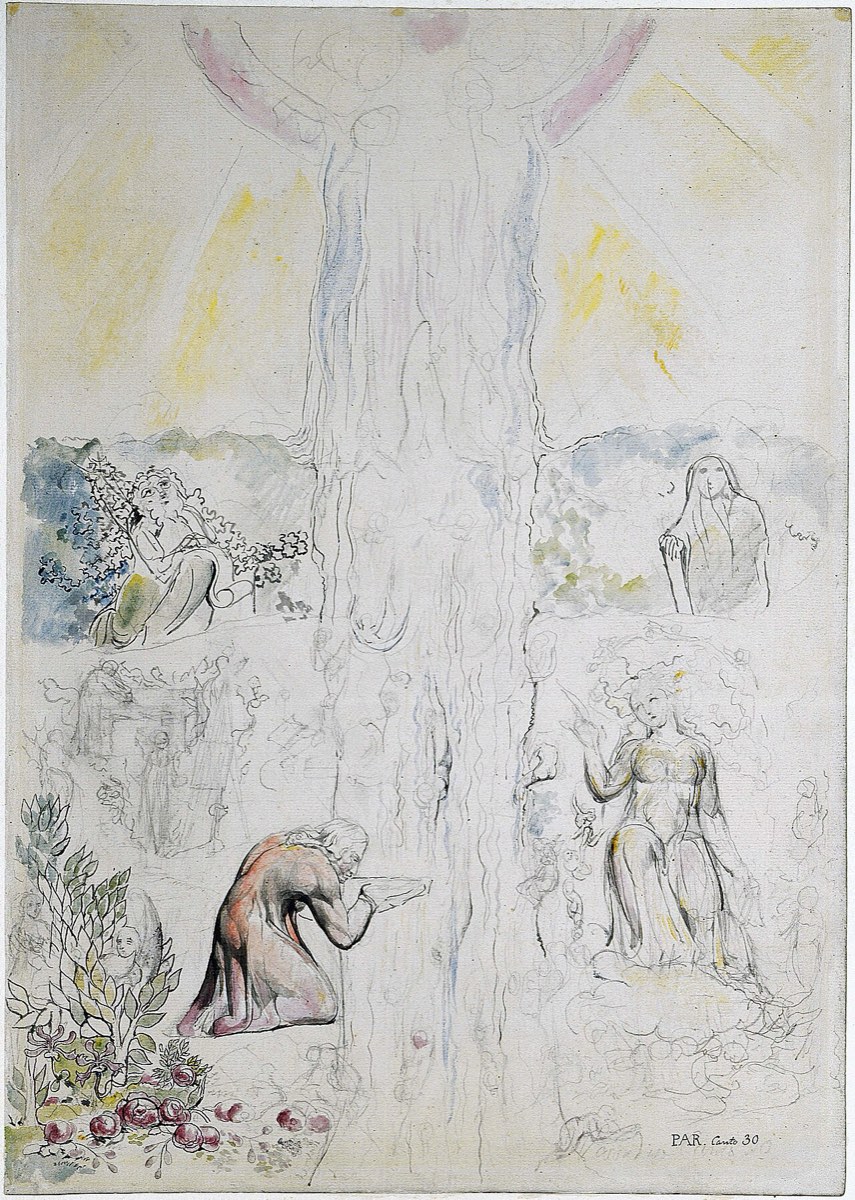
The Gospel According to Spiritism, chapter 1: the Law of God in three revelations
Kardec argues that Jesus completed the Law of Moses and that Spiritism forms a third revelation, grounded in reason; this is doctrine, not historical fact.
· 3 min read · Sources
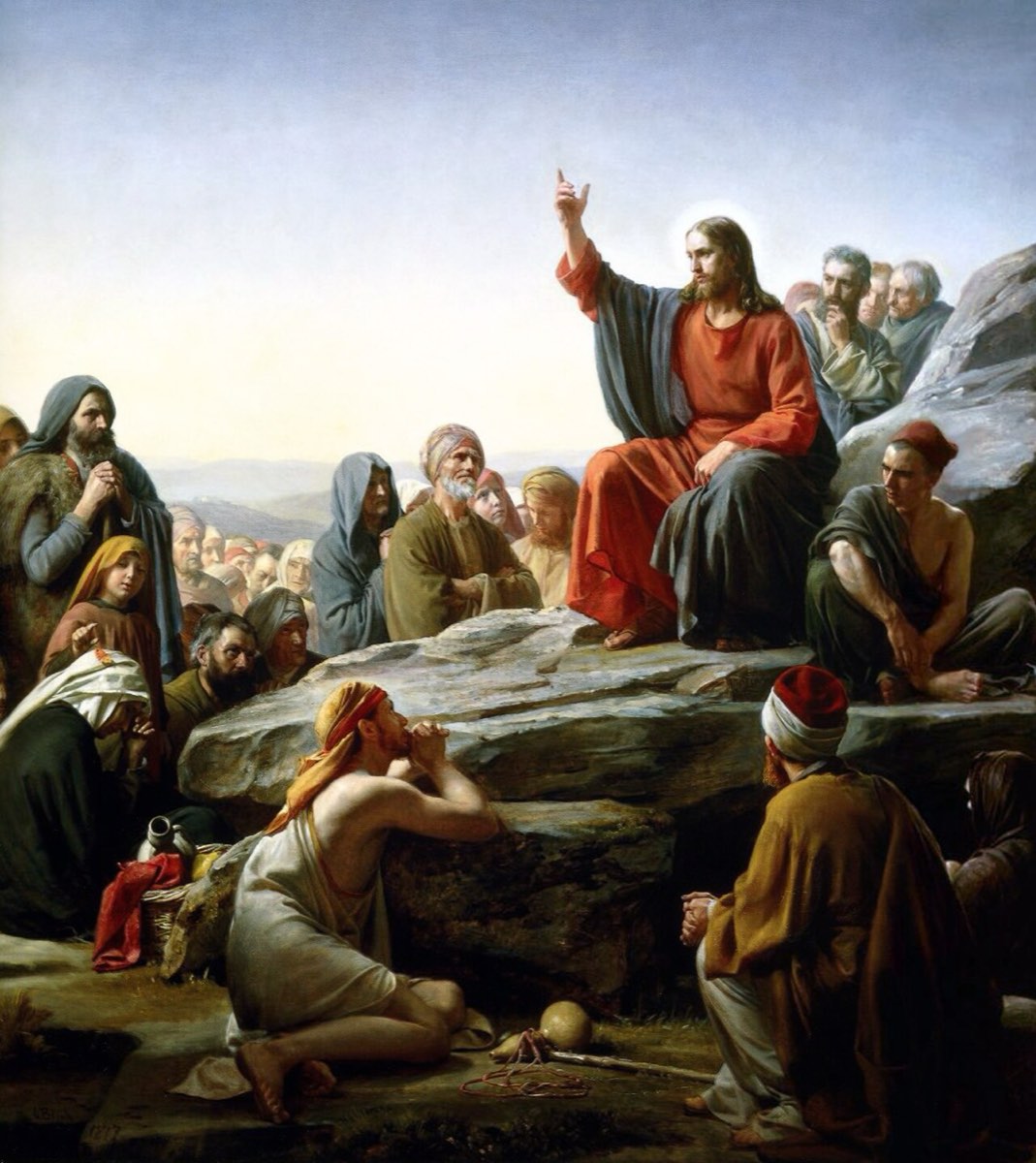

In 1 minute
- Kardec separates the Law of God, eternal, from the civil and disciplinary laws of Moses, made for a rough people and valid only in their own time.
- For him, Jesus did not abolish the Law: he condensed it into loving God and one's neighbor, and placed morality above ritual.
- Spiritism would be the third revelation, uniting faith and reason; this is Spiritist doctrine, not historical or scientific fact.
Full article
Jesus did not come to destroy the Law, but to fulfill it. The line, drawn from the Gospel, is the starting point of the first chapter of The Gospel According to Spiritism, by Allan Kardec, published in Paris on April 15, 1864. From it the author draws an ambitious thesis: Spiritism does not annul Christianity, it completes it.
The book reads the canonical gospels through the lens of Spiritist doctrine and pays special attention to Christian morality, prayer, and charity. Chapter 1 serves as the frame for the whole: it defines what the Law of God would be, what Jesus did with it, and where Spiritism would fit in. The claims that follow belong to Spiritist doctrine and to the realm of religious belief, not history or science.
Two laws in the Hebrew Bible
Kardec begins by distinguishing two kinds of law in the Scriptures of the Hebrews. The Law of God, summarized in the Ten Commandments, which the Bible records in Exodus and Deuteronomy, would be eternal, unchanging, and universal. The civil and disciplinary laws of Moses were something else: practical solutions for a rough and violent people, limited in duration.
Moses, as lawgiver and political leader, is said to have used divine authority to contain barbaric impulses. The severity of those rules, in this understanding, served an educational function and did not express God's direct will.
Jesus and the spirit of the Law
Jesus, for Kardec, did not repeal the Law: he restored its spirit, freeing it from the dead letter. He reduced all the commandments to two, loving God above all things and loving one's neighbor as oneself. In doing so, he placed morality above ritual and made brotherhood, mercy, and conscience the pillars of religion. To fulfill, in this sense, is to develop and clarify, not to apply outdated precepts to the letter.
The third revelation
The chapter lays out a sequence of three stages. The first, with Moses, brought justice and discipline. The second, with Jesus, brought love and charity. The third would be Spiritism, truth illuminated by reason.
Kardec describes it not as a new religion but as a body of teaching that explains, deepens, and updates the morality of Christ, with the help of higher Spirits. The doctrine would be the collective work of those Spirits, and no one could claim to be its creator.
Faith and reason
The text criticizes the separation of faith and reason characteristic of the modern age. It proposes a spirituality capable of engaging with science, free of superstition, and a faith able to withstand the scrutiny of logic and experience. Blind faith would give way to an enlightened faith, and morality would rest on evidence rather than dogma. God would be present in the laws governing both the visible and the invisible.
Spiritism, in this view, does not destroy what is good in other beliefs. It recovers the essentials: the morality of loving one's neighbor, the existence and immortality of the soul, the plurality of existences, or reincarnation, and communication between worlds.
What remains
The chapter offers, in the blog's reading, a roadmap for a new age, built on knowledge, love, discernment, and personal responsibility. The Law of God, according to Kardec, is not found only in Scripture: it would be engraved on each person's conscience, and Spiritism would merely reveal it and invite its practice. What the thesis leaves open is the question: what does one do with a law one already carries within?
Sources and references for this article
Allan Kardec, The Gospel According to Spiritism, chapter 1
The Gospel According to Spiritism, Wikipedia (published April 15, 1864, and its contents)Ten Commandments, Wikipedia (Exodus 20 and Deuteronomy 5)Translated from Portuguese. This article was rewritten from a post on the original blog, in Portuguese. Read the original
Get the best articles of the week
One email a week, no spam. Unsubscribe anytime.
Read next
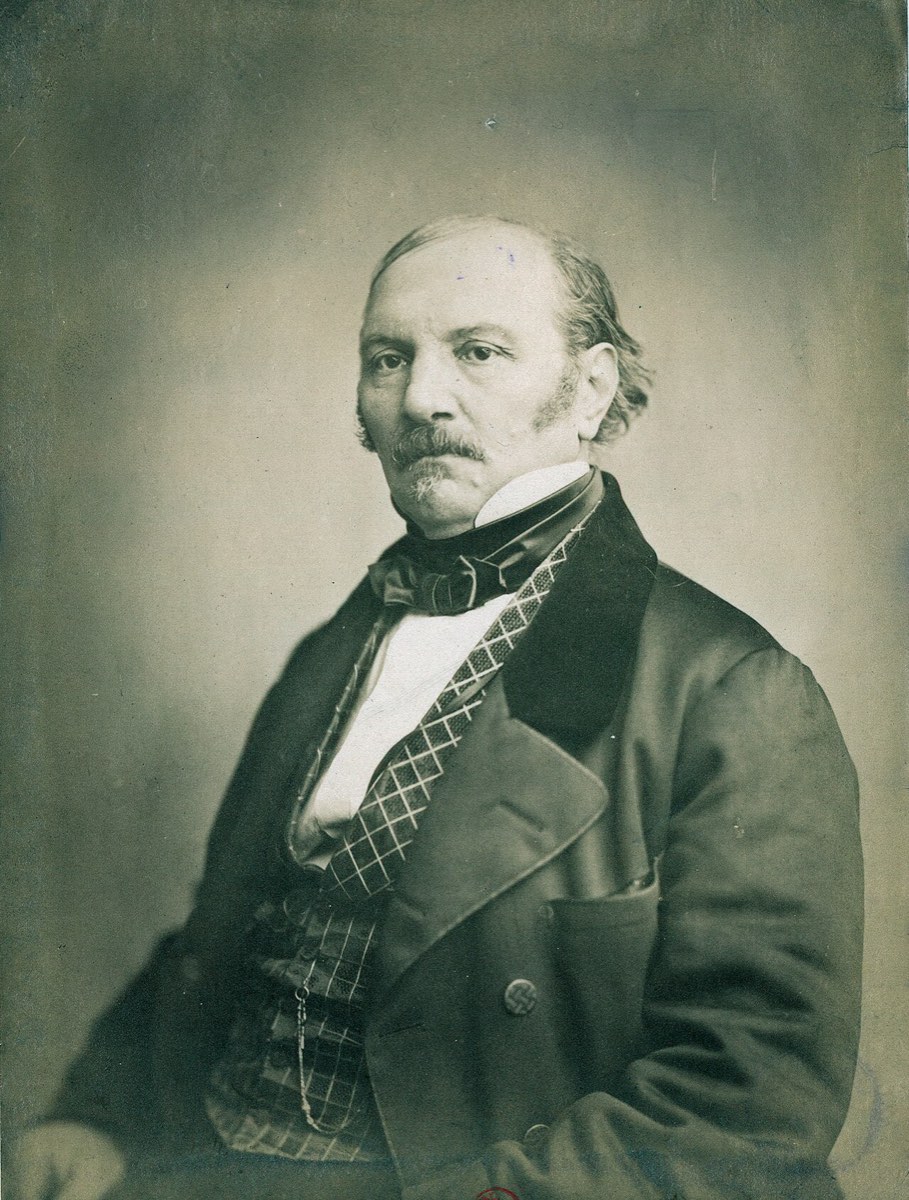 Death and beyondKardec, Socrates, and Plato: the morality of Christ separated from dogma in the Spiritist Gospel
 Death and beyond · VideoAllan Kardec's “testament”: what is known and what is narrative
 Western esotericism · VideoThe “1775 Bible” and the passages the Church allegedly suppressed: what is claimed
 Vedanta and YogaGita, lesson 20: consciousness isn't in the world, the world is in it
 Death and beyond · VideoWhat souls do after death, in a Spiritist view: work, study, and service