Guide
Spiritism and the afterlife: the complete guide
Who Allan Kardec was, how he codified spiritism, what The Gospel According to Spiritism says, and what mediums say about the afterlife.
4 min read · Read next, in this order
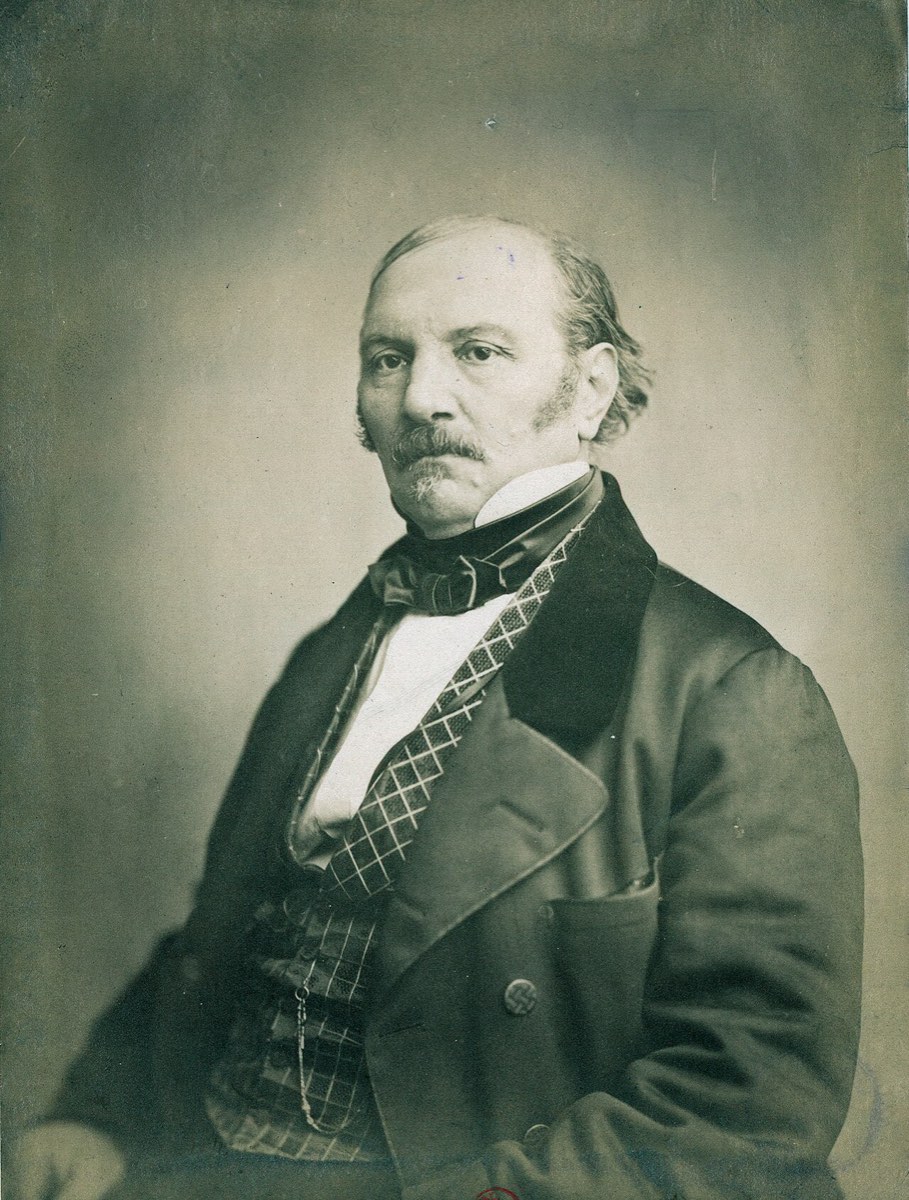
In 1857, a 53-year-old French teacher published a book gathering answers that, he said, came from spirits through mediums. Hippolyte Léon Denizard Rivail signed it under the pen name Allan Kardec and launched a doctrine that, more than 160 years later, remains more alive in Brazil than in any other country: spiritism.
This guide explains how spiritism began, what its founding work, The Gospel According to Spiritism, says, and what contemporary medium accounts describe about what happens after death. It is a field where doctrine, personal belief and science intersect, and the guide marks, throughout, where one ends and the other begins.
From teacher to codifier
Before he was Kardec, Rivail was an educator, trained in the Pestalozzi method in Switzerland and author of textbooks. From 1854 he grew interested in the turning-table phenomenon sweeping European parlors, and investigated it with the same pedagogical rigor he used in the classroom. What set him apart from the era's enthusiasts was method: he wanted to test the messages, not just collect them.
Kardec developed his own criteria: reason (messages had to make logical sense), agreement among independent mediums, what he called the law of the Universal Control of the Teaching of the Spirits, and the morality of whoever was communicating. Between 1857 and 1868 he published five works, known as the Spiritist Codification, which still organize the doctrine today.
Morality without dogma
The second work in the codification, The Gospel According to Spiritism, from 1864, is the one closest to Christianity. In its preface, Kardec divides the content of the Gospels into parts and argues that only the moral teaching of Jesus is "unassailable," because it holds for any belief, while miracle accounts and dogmas are more debatable. He compares that morality to the philosophy of Socrates and Plato, for whom virtue already mattered more than ritual.
The book proceeds, chapter by chapter, reinterpreting lines from the New Testament: "love one another," "blessed are the poor in spirit," "ask and you shall receive." Each chapter is read through the lens of Spiritist doctrine, not as traditional biblical exegesis; it is Spiritist theology about the Christian text, not documented history.
What spiritism says about death
For Kardec, death is the separation between the physical body and the spirit, which retains its identity and memory. After death, the spirit would go through a period of reorganization and move on to planes of existence whose quality would depend on the conduct lived on Earth. Reincarnation is an essential part of the doctrine: the spirit returns to incarnate again and again, on a path of moral and intellectual evolution that would span many lives, until reaching a higher stage.
That 19th-century doctrinal structure keeps being elaborated by contemporary medium accounts, which claim to describe in detail what the doctrine outlines in broad strokes.
Today's mediums and what they describe
Decades after Kardec, Brazilian mediums continue describing the afterlife, now on video and livestream. Medium Laércio Fonseca, trained as a physicist, speaks of planes of vibration ranging from the Umbral, where troubled spirits would stay, to higher regions, and argues that no one is judged from outside: each person would be drawn to the region that matches their own thoughts and conduct. In another account, he describes death as simply "changing clothes," while identity and memories remain.
These descriptions echo a literary tradition of their own within Brazilian spiritism, started by the 1944 book Nosso Lar, psychographed by Francisco Cândido Xavier ("Chico Xavier") and attributed to the spirit André Luiz. The book describes spiritual colonies where people work, study and live together between incarnations, and it inspired later accounts, including descriptions of leisure and social spaces in the spiritual plane, not only labor and atonement.
None of these accounts, from the oldest to the most recent, can be verified by outside methods. They are descriptions of mediumship or of projected consciousness, presented by those who had them as real experience; this site publishes them as personal accounts, never as established fact.
The book psychographed by Chico Xavier is the best-known example of so-called psychography, a practice in which the medium says they write under the direct influence of a spirit. It is one of the most debated forms of mediumship, including among Spiritists themselves: critics point out that the authorship could come from the writer's own unconscious, with no other consciousness required. The doctrine answers with Kardec's own criteria, such as agreement between messages from mediums who do not know each other; neither side has convinced the other in almost two centuries of debate.
Where science fits in, and where it does not reach
Communication with spirits, in the sense spiritism describes it, has not been demonstrated by methods accepted by scientific research. That does not mean the phenomenon is false; it means it sits outside what science can currently test and replicate. Spiritism, for its part, does not define itself as science, but as a religious and philosophical doctrine, built on faith in the continuity of the spirit and in mediumistic messages.
How to start studying the subject
The natural entry point is Kardec's own Spiritist Codification, with The Spirits' Book as its doctrinal foundation and The Gospel According to Spiritism as its moral reading. The Brazilian Spiritist Federation maintains an archive and reference texts on the doctrine. For readers who want to understand the phenomenon without adopting it, Wikipedia's articles on spiritism, mediumship and reincarnation gather historical context and the debate surrounding the subject.
More than a century and a half after Kardec first tested the turning tables' messages, the question that drove him remains unanswered: whether what comes through a medium truly comes from someone who has died, or from somewhere else in the living mind of the person channeling it.
Read next, in this order
1TraditionHow Allan Kardec tested spirit messages and assembled the Spiritist codification2TraditionKardec, Socrates, and Plato: the morality of Christ separated from dogma in the Spiritist Gospel 3TraditionThe Gospel According to Spiritism, chapter 1: the Law of God in three revelations
 4AccountAllan Kardec's “testament”: what is known and what is narrative
 5Account"Dying is changing clothes": what Laércio Fonseca says about the afterlife
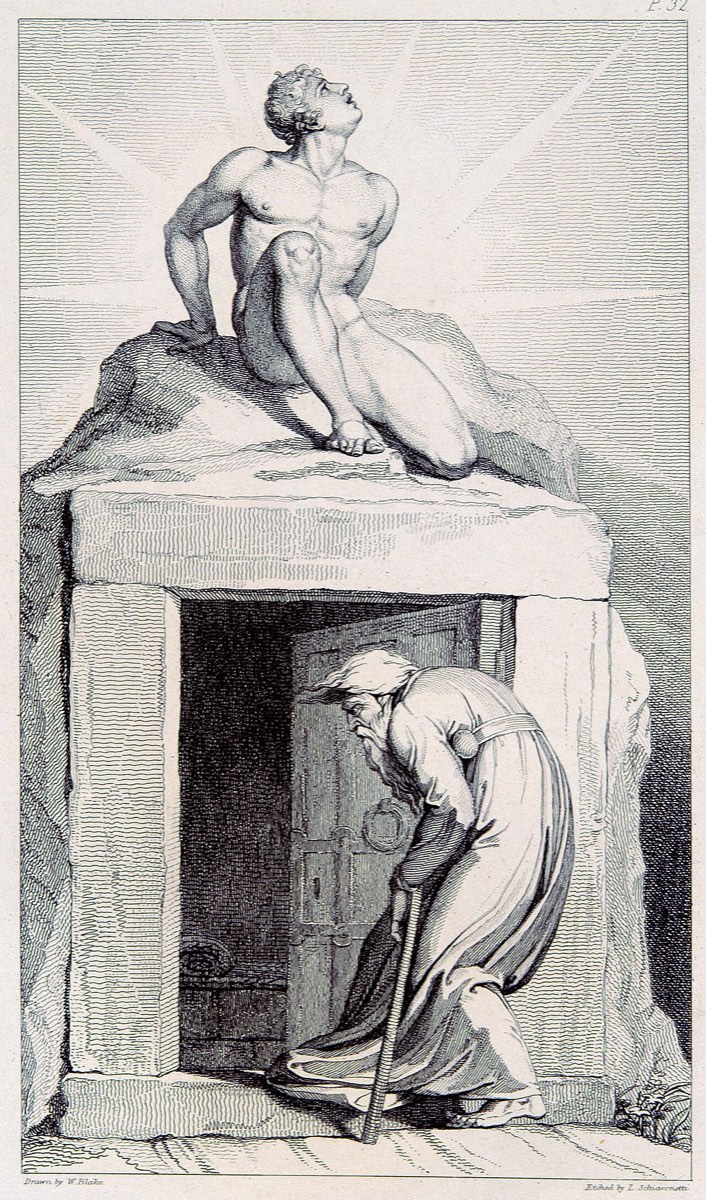 6AccountA hereafter with no judge: Laércio Fonseca on the fate of consciousness after death
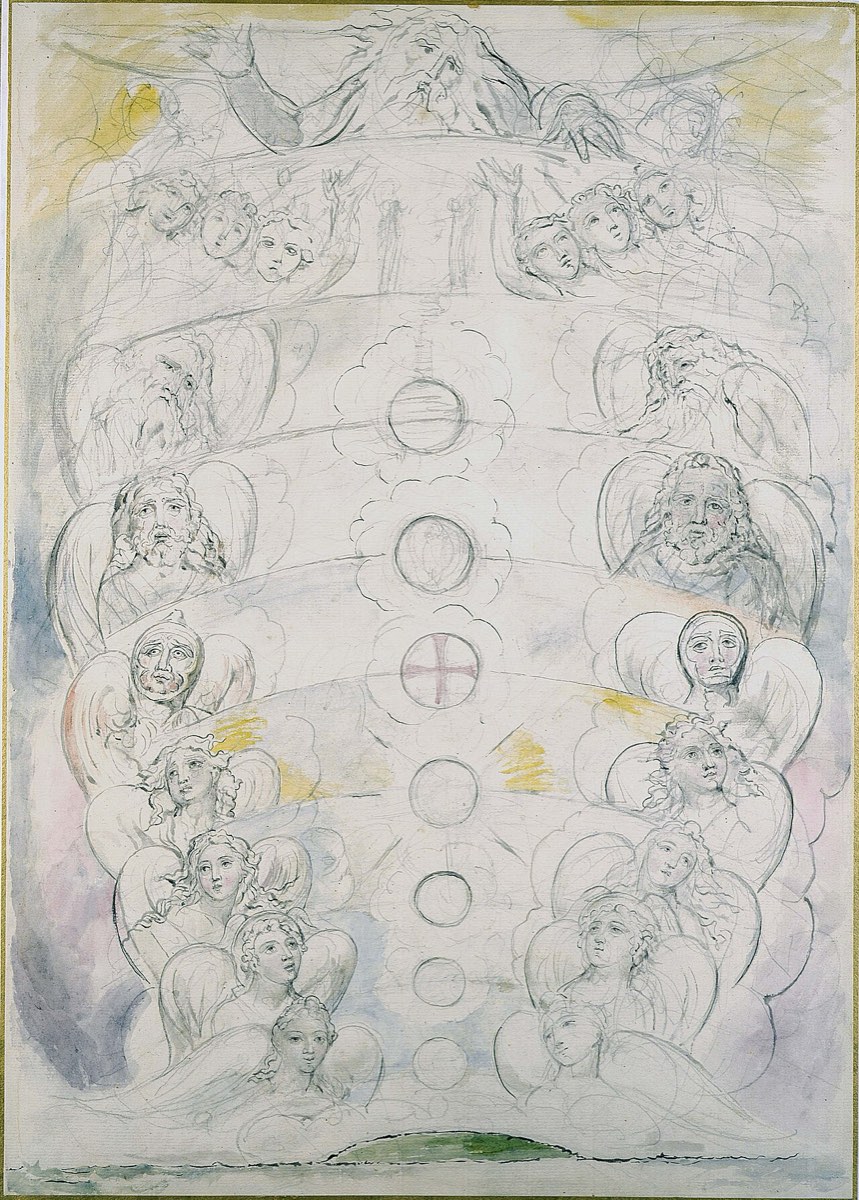 7AccountWhat souls do after death, in a Spiritist view: work, study, and service
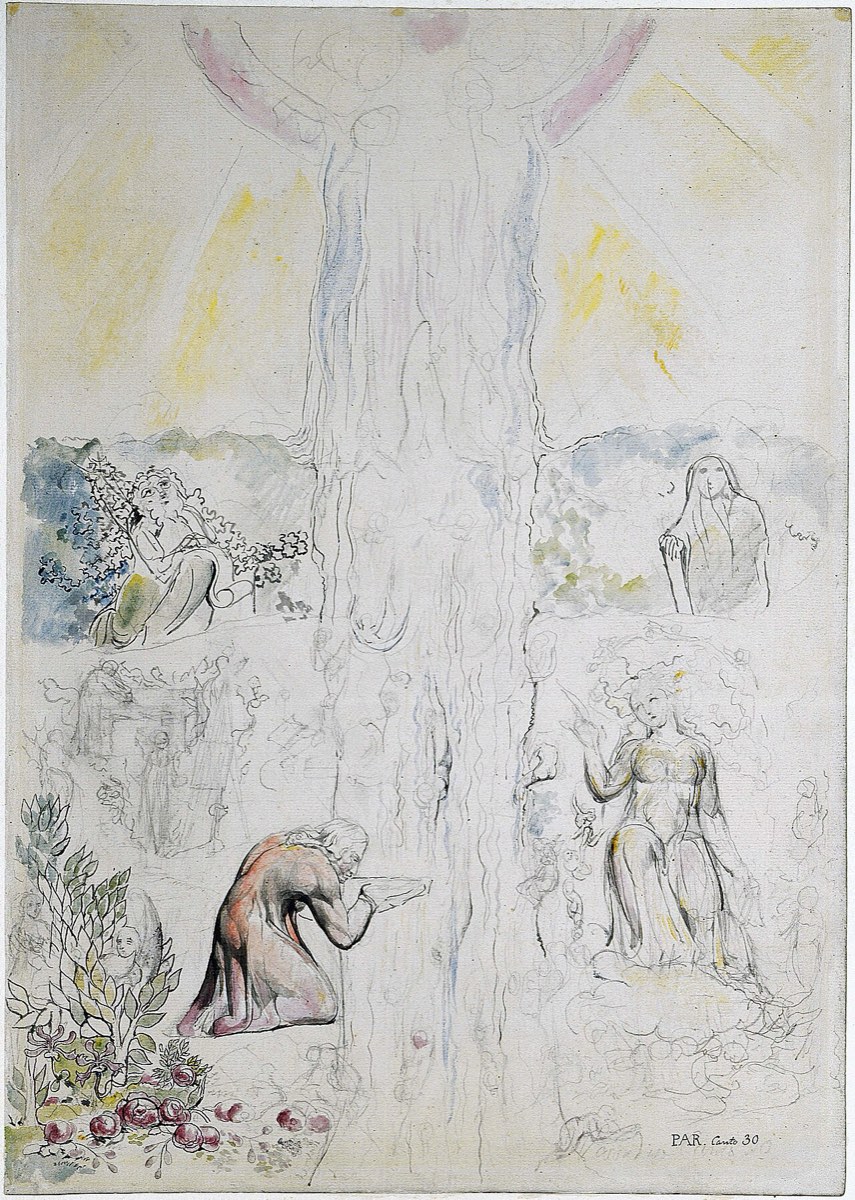 8AccountSpiritual resorts, games, and a writers' house: inside one man's vision of heaven
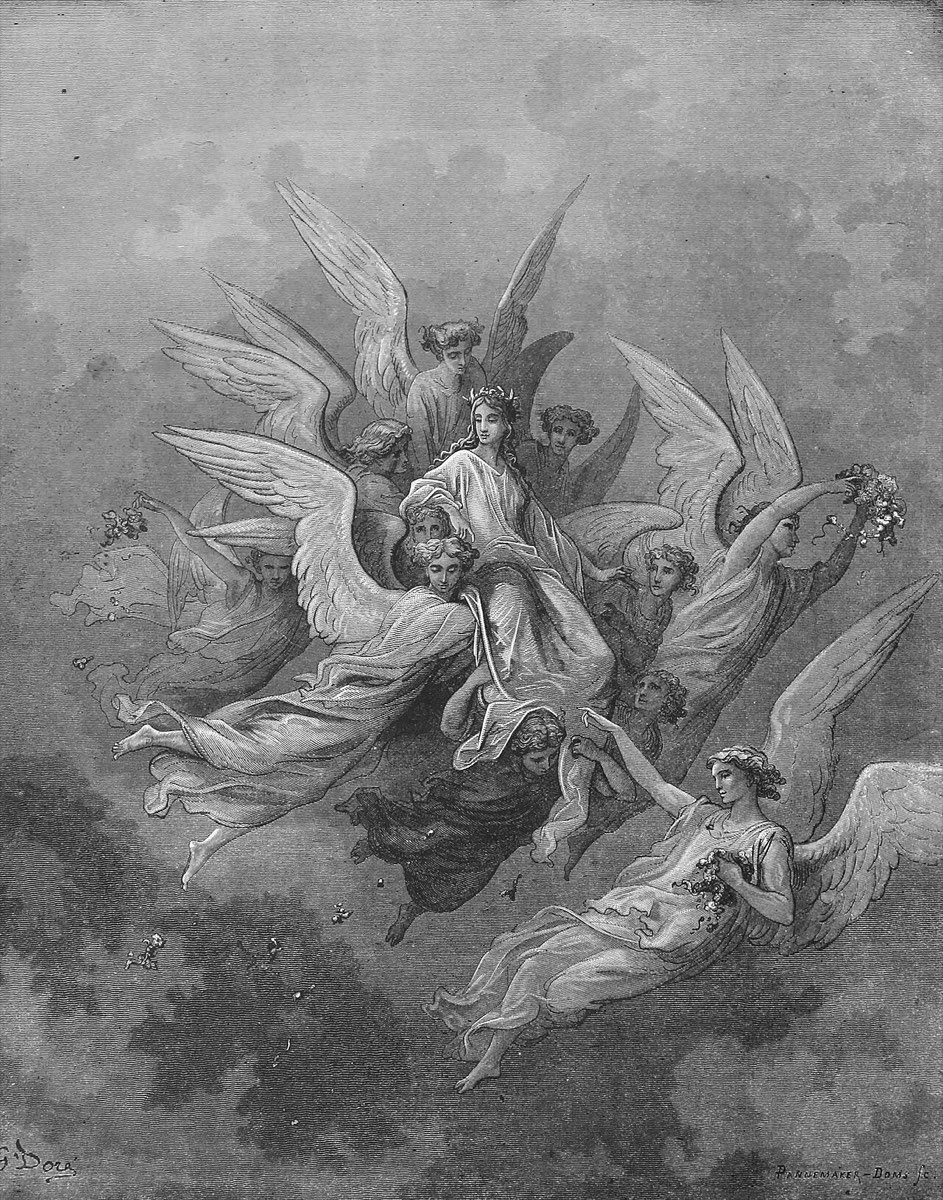
Frequently asked questions
What is spiritism?
It is a doctrine and religion created in France in the mid-19th century by educator Hippolyte Léon Denizard Rivail, known as Allan Kardec. It holds that the spirit survives the body's death and communicates with the living through mediums.
Who was Allan Kardec?
A French educator who, from 1854 on, investigated the turning-table phenomenon with a skeptical method and, between 1857 and 1868, published five books that form the Spiritist Codification.
What does The Gospel According to Spiritism say?
Published in 1864, the book reads the moral teaching of Jesus apart from dogma and ritual, presenting it as valid for any belief. Kardec compares it to the philosophy of Socrates and Plato.
Does spiritism believe in reincarnation?
Yes. Reincarnation is central to the doctrine: the spirit returns to incarnate repeatedly, on a path of moral and intellectual evolution, until reaching a higher stage.
What do mediums say happens after death?
Accounts from the Spiritist tradition describe spiritual planes at different levels, where the spirit would be received according to its conduct on Earth and would continue working, studying and preparing for a new incarnation.
Is there scientific proof of mediumship?
No. Communication with spirits has not been demonstrated by methods accepted by the scientific research community. Spiritism treats these accounts as a matter of faith, and this site publishes them as personal accounts, not as established fact.