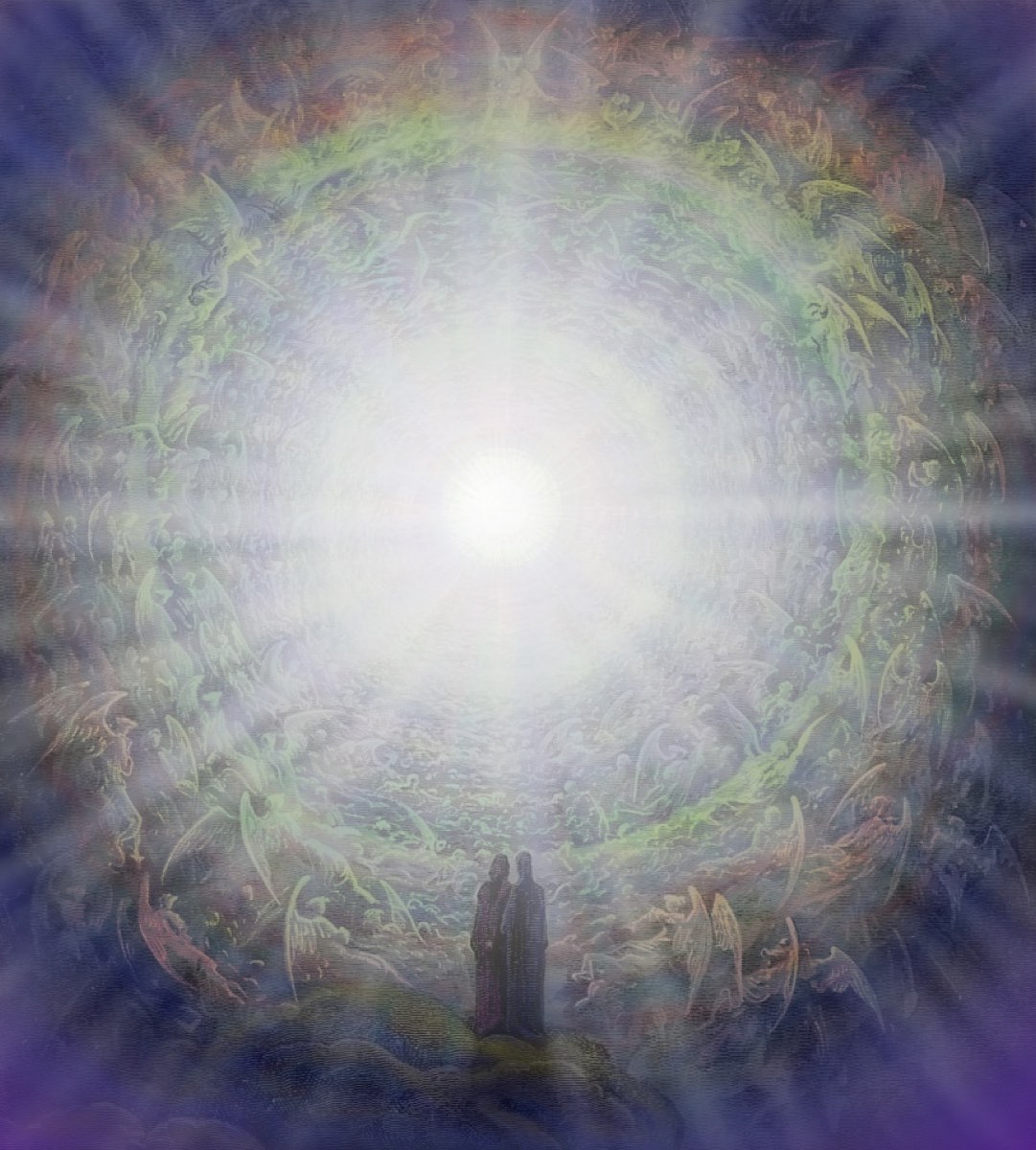
The “1775 Bible” and the passages the Church allegedly suppressed: what is claimed
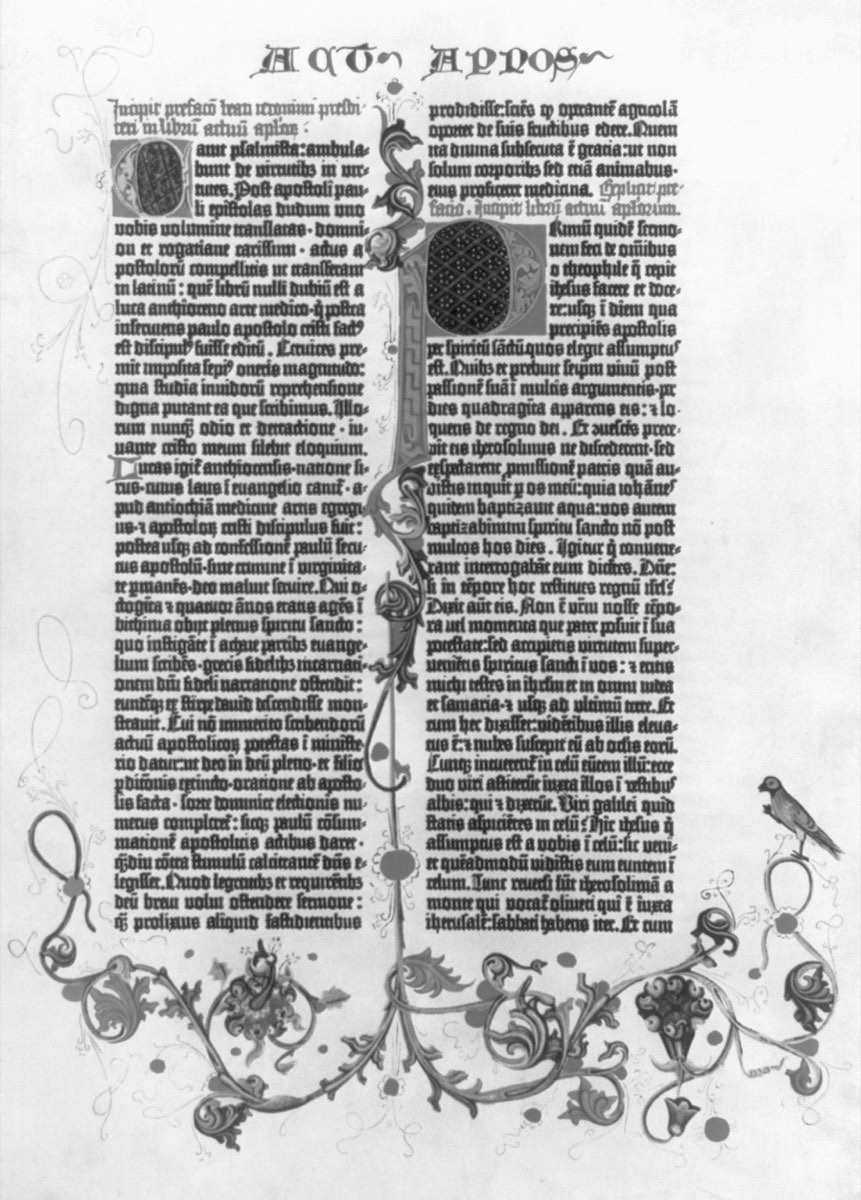
A video claims that an edition of the Bible from 1775 contained teachings later removed by the Church; the claim comes with no supporting documents.
· 3 min read · Sources

In 1 minute
- A video claims that a 1775 Bible presented an inner God, accessible to every person, a teaching allegedly suppressed to preserve the Church's power.
- The claims include the swapping of God's names, the exclusion of books such as Thomas and Enoch, and the invention of eternal hell and original sin.
- The video does not identify the edition or present any documents; this piece records the claim as its author's belief, not as historical fact.
Full article
What if the biblical text known today were just one of several versions, and earlier ones said something the Church preferred to erase? That is the claim of a video titled “The 1775 Bible and the Hidden Truth,” which argues that an edition from that year contained liberating, revolutionary messages that were later suppressed.
The idea belongs to a familiar family of narratives: that early Christianity was freer and more inward-looking than the religion that later became institutionalized. It is worth examining what the claim asserts, where it touches on recognized facts, and where it depends on something no one has produced. The video points to no documents or scholars, and several of its claims are disputed by theology and the history of religion.
An inner God
The 1775 version, according to the video, contained passages absent from modern editions and presented a God who was close and inward, not distant. Spiritual power would rest in each person's own hands, without institutional mediation. From this it would follow that the divine dwells within every being, that the connection with God is direct, and that religious control would be unnecessary.
The curating of the texts
According to the video's author, religious leaders, politicians, and theological councils decided over time which texts would stay in the Bible and which would be excluded. The motivation would be to maintain the Church's hierarchy, prevent people from discovering their spiritual autonomy, and avoid challenges to authority.
It is true that the formation of the set of biblical books was a historical process, full of choices and disputes. What the video adds, and does not demonstrate, is a single, deliberate intent to hide direct access to the divine.
Names of God and lost books
The video points to changes in the divine names. “Elohim,” a plural term, would have been swapped for “God” or “Lord,” stricter concepts. “Yahweh,” an intimate, relational name, would have given way to generic titles, which would simplify the image of God and favor the centralization of power.
The supposed edition would also have mentioned books now considered apocryphal, meaning of disputed authenticity: the Book of Enoch, with cosmic battles and heavenly secrets; the Wisdom of Solomon, which proposes personal access to divine wisdom; and the Gospel of Thomas. The last of these does in fact exist: it is a list of 114 sayings attributed to Jesus, preserved in a Coptic manuscript discovered at Nag Hammadi, Egypt, in 1945. Some of the sayings resemble those in the Gospels of Matthew, Mark, Luke, and John, while others were unknown before the discovery. What the video does not explain is how the text connects to a Bible printed in 1775.
Hell and original sin
Hell as a place of fire and eternal torment, according to the video, did not exist in the oldest versions. Terms such as Sheol, Hades, and Gehenna would have had a more symbolic meaning, and their transformation into eternal punishment would have been strategic, meant to maintain fear and control.
Something similar would have happened with original sin. The doctrine that everyone is born guilty for Adam and Eve's transgression would have been popularized by Augustine, in the 4th century, to make people dependent on the Church. In the 1775 version, the video claims, eating the forbidden fruit would be an act of awakening consciousness, not an irreparable fall.
Jesus and the apocalypse
The Jesus of this edition would not have founded a religion. He would have been an “awakener of consciousness,” who declared that the Kingdom of God is within everyone, challenged religious leaders, and preached love and spiritual freedom. His message, threatening to the hierarchy, would have been reshaped over the centuries.
Regarding the Apocalypse, the video notes that the word means “revelation.” The end of times, in the proposed reading, would be less the end of the planet than the end of illusion: the fall of mechanisms of domination and humanity's awakening to its spiritual essence.
The question that remains
The video ends with two questions: what if today's Bible does not tell the whole story, and what if true spirituality is freer and more inward than what has been taught? These are legitimate questions. Answering them, however, would require what the claim does not provide: identifying the 1775 edition and proving what it actually said.
Sources and references for this article
Video "The 1775 Bible and the Hidden Truth"
Gospel of Thomas, Portuguese WikipediaTranslated from Portuguese. This article was rewritten from a post on the original blog, in Portuguese. Read the original
Get the best articles of the week
One email a week, no spam. Unsubscribe anytime.
Read next
 Western esotericismWas the Bible tampered with? What textual criticism and canon history show
 Western esotericism · VideoJesus as cosmic envoy: the “true story of Yeshua” and the accusation against Rome
 Death and beyond"Outside charity there is no salvation": Kardec's answer to exclusivism
 Accounts and channelings · VideoExtraterrestrial disclosure as inner awakening: a reading of a channeled message
 Western esotericism · VideoPineal gland, "third eye," and "inner Christ": what's science and what's belief