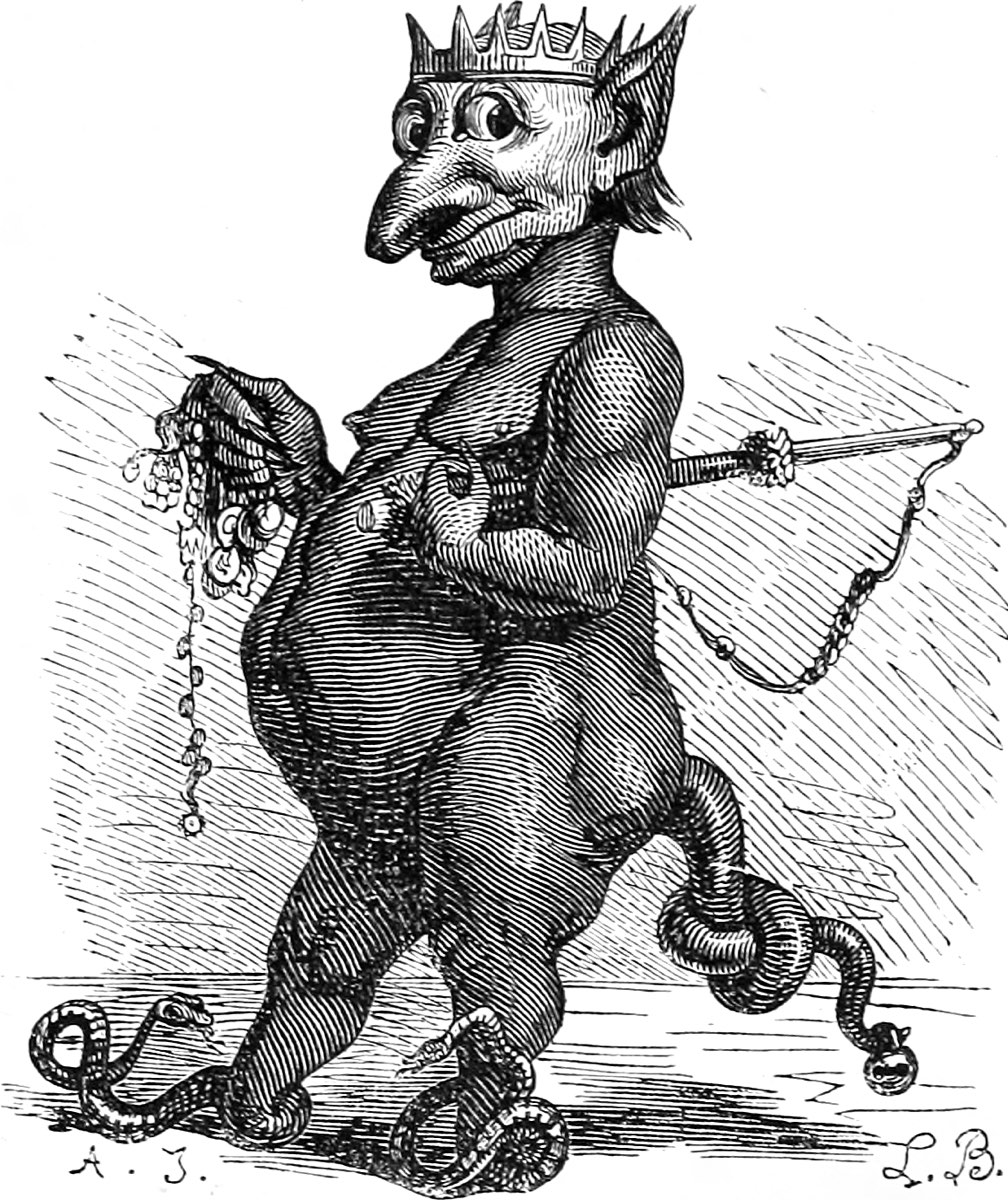
Nag Hammadi Codex VI: eight texts from a library that resists easy labels
Among the 13 codices found in 1945 in Egypt, Codex VI brings together gnosis, Hermeticism, and Plato in eight texts that don't fit a single category.
· 3 min read · Sources

In 1 minute
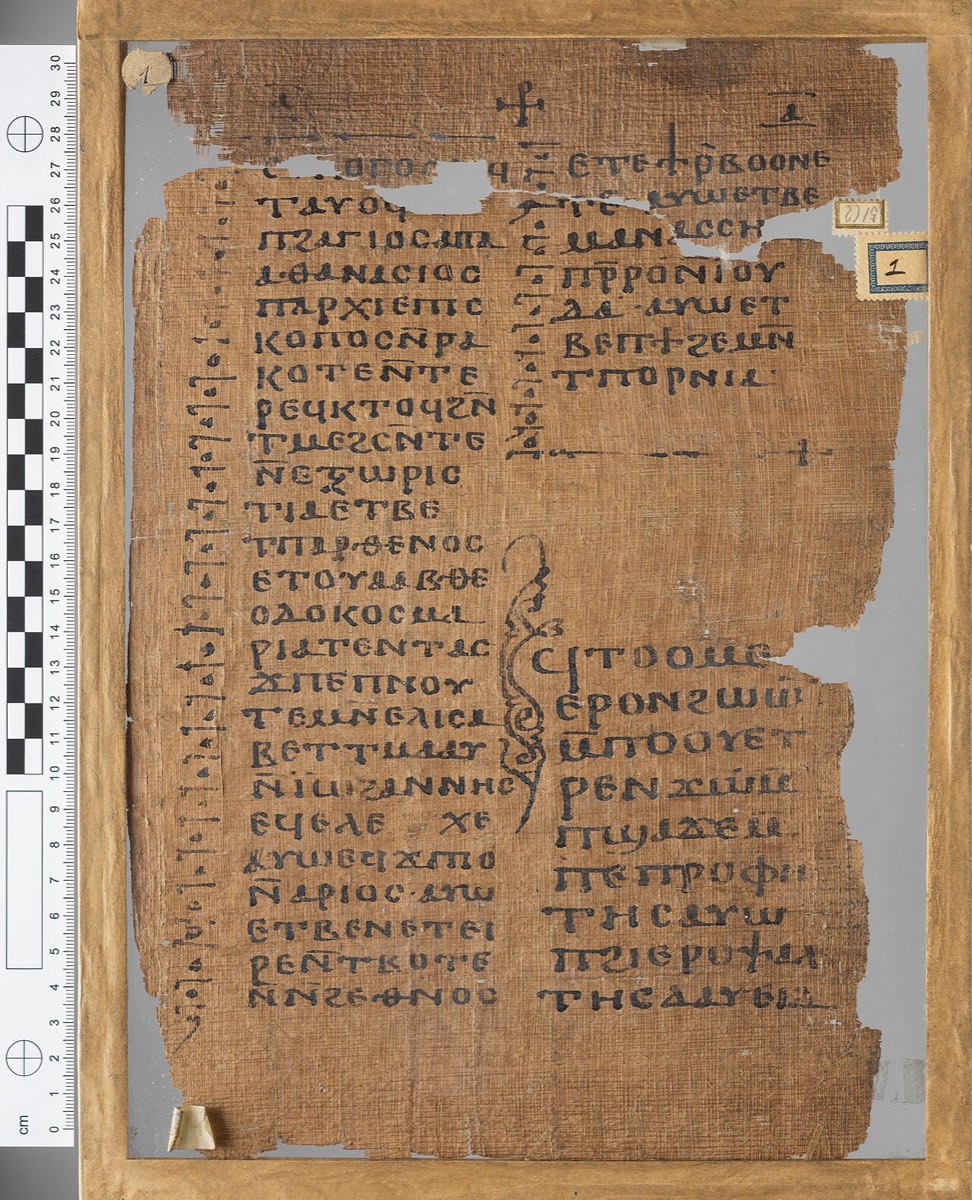
- Codex VI has 78 papyrus pages and is one of 13 codices discovered in 1945 near Nag Hammadi, Egypt; it was likely produced at a Coptic monastery between 339 and 342.
- It gathers eight very different texts, from an apostolic writing to a hymn, including a passage from Plato's Republic and Hermetic treatises.
- Historian Justin Sledge argues the collection has its own identity, falling outside both Christian orthodoxy and the more radical strands of Gnosticism.
Full article
In December 1945, two Egyptian brothers searching for fertilizer in limestone caves near Nag Hammadi, in Upper Egypt, found a large clay jar. Inside were thirteen leather-bound books written in Coptic, the language of Christian Egypt. It was a collection of Gnostic, Hermetic, and philosophical texts from early Christianity, buried, by all indications, sometime in the fourth century.
Who buried it, and why, remains part of the mystery. James M. Robinson, who organized the English edition of the library, suggested the codices belonged to the monastery of Saint Pachomius nearby, and were hidden after Bishop Athanasius of Alexandria condemned the use of unapproved books in 367. That's a hypothesis, not an established fact.
Among the thirteen, Codex VI stands out for its mixture. In a video from the channel Esoterica, devoted to the history of Western esotericism, researcher Justin Sledge presents it as a collection with an identity of its own.
The object
Codex VI has 78 papyrus pages, leather-bound, with clasps and reinforcements. According to Sledge, it was made at a Coptic monastery between 339 and 342. The dating is possible because the binding used tax documents and dated receipts as reinforcement. The greater value, he says, lies in the content, which blends gnosis, mystical poetry, Platonic philosophy, and Hermeticism.
The eight texts
The first, the Acts of Peter and the Twelve Apostles, comes closest to a recognizable Christian writing. It extends the parable of the pearl from the Gospel of Matthew: a pearl merchant, Lithargoel, turns out to be Christ in disguise, instructing the apostles to heal bodies first, then souls. There's criticism of wealth and power, and the attention paid to the body is unusual for a Gnostic text.
The second is Thunder: Perfect Mind, a monologue in poem form in which a divine figure speaks in paradoxes, such as "I am the virgin and the whore." Sledge reads it as the divine beyond categories — a text that wouldn't be dualist, but would subvert dualities altogether. The third, the Authoritative Teaching, narrates the fall of a female soul into the flesh and her healing by the Logos, her spiritual bridegroom. She rediscovers her origin through remembrance, which the Greeks called anamnesis. Some scholars don't even classify it as Gnostic, and it ends with criticism of those who worship images and temples.
The fourth, The Concept of Our Great Power, is a Gnostic apocalypse: the physical world is the work of a "god of the flesh," a lesser demiurge, and the savior appears only as "the Revealer." It foresees judgment by fire and a 1,468-year duration for the universe before renewal — a number Sledge links to Manichaeism.
The fifth is an excerpt from Book IX of Plato's Republic, which describes the soul as a composite of a lion (courage), a many-headed beast (desire), and a human (reason). Its presence suggests Greek philosophy was seen as an ally of spiritual life.
The sixth, the Discourse on the Eighth and Ninth, is Hermetic: it treats the soul's ascent through the planetary spheres to the Ogdoad, the eighth, and the Ennead, the ninth. It functions as an initiation manual, with sacred sounds and vocabulary close to that of the Greek magical papyri.
The seventh, the Prayer of Thanksgiving, is a hymn that Christians, Hermeticists, Gnostics, and even Stoics could have used. A scribe's note at the end says other texts could have been included but were left out so as not to bore the reader — a rare glimpse into the editorial practice of the time. The eighth, a fragment of the Hermetic Asclepius, is a dialogue between Hermes Trismegistus and Asclepius about humanity's moral decline, Egypt's future collapse, and the need for gnosis and virtue.
A library within the library
For Sledge, the collection follows neither orthodoxy nor the more radical forms of Gnosticism. The body is treated with care, not contempt. The soul has a feminine cast and a fate that is at once tragic and glorious. Gnosis means inner change, not mere information, and classical philosophy aids liberation. Christ appears as a merchant, as a physician, or simply as the Revealer.
If orthodoxy produced a single Bible, he argues, the compilers of this codex seem to have made a book for those who live at the edges of dogma. That reading is the presenter's own hypothesis, not something the manuscript itself states. What the codex shows for certain is that, in fourth-century Egypt, there were readers who gathered Plato, Hermes, and the apostles within a single volume.
Sources and references for this article
Video by Dr. Justin Sledge, Esoterica channel, on Nag Hammadi Codex VI
Nag Hammadi library, WikipediaTranslated from Portuguese. This article was rewritten from a post on the original blog, in Portuguese. Read the original
Get the best articles of the week
One email a week, no spam. Unsubscribe anytime.
Read next
 Western esotericism · VideoGnosticism: the movement that contested the meaning of Jesus with the early Church
 Western esotericismGnosticism: the schools that saw the world as a prison and the creator as an impostor
 Vedanta and Yoga · VideoWhat is the form of God? What the hymn to Dakṣiṇāmūrti says, in Vedānta's reading
 Death and beyondKardec, Socrates, and Plato: the morality of Christ separated from dogma in the Spiritist Gospel
 Western esotericism · VideoWhat was Gnosticism: a dualist heresy, or a path of self-knowledge?