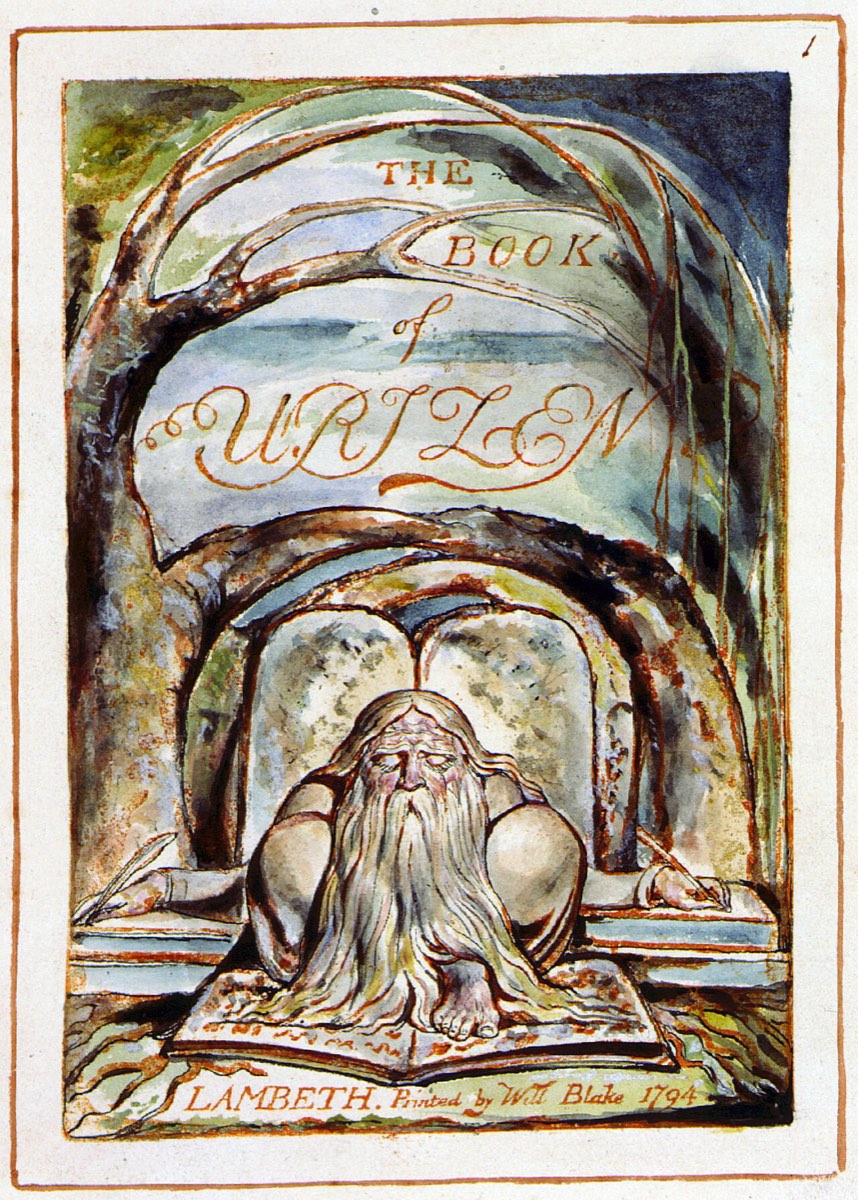
Gnosticism: the schools that saw the world as a prison and the creator as an impostor
Gnosticism brought together schools from the 1st to the 4th centuries that sought gnosis, direct knowledge, and saw the material world as the work of an inferior creator.
· 4 min read · Sources

In 1 minute
- Gnosticism is the label, given by its opponents, for schools from the 1st to the 4th centuries that sought gnosis, a direct spiritual knowledge, and did not form a single creed.
- For them, the creator of the world was an inferior Demiurge, and salvation came from inner awakening, not obedience to institutions.
- What was known of them came from their adversaries until 1945, when a peasant found at Nag Hammadi, in Egypt, thirteen codices with 52 texts, most of them Gnostic.
Full article
Imagine a tradition for which the world is a prison, the creator of the universe is a blind, vain architect, and every person carries a divine spark they have forgotten. That tradition existed and left echoes that run from esoteric books to film, as in The Matrix. It is called Gnosticism, and the name, given by those who fought it, hides a far less uniform reality.
Gnosticism brings together philosophical-religious currents that arose in the Mediterranean in the early centuries of the Christian era, which mixed with nascent Christianity and ended up condemned as heresy. To understand it, it helps to separate what the texts themselves say from what their adversaries said about them, and that is the distinction the 1945 find, in Egypt, made possible.
A label from its adversaries
The Gnostics never called themselves that. The term comes from gnosis, "knowledge" in Greek, and was used by early Christian bishops to classify groups that claimed to possess a direct spiritual knowledge. Researcher Renan de Carli, whose presentation served as the starting point for this piece, notes that there was no unified creed: there were Jewish, Christian, Egyptian and Platonic currents, marked by influences such as Zoroastrianism, Hermeticism and Greek philosophy.
What brought them together was the conviction that the material world is an illusion or a corruption of a true spiritual reality, and that only gnosis allows one to escape that prison.
The Demiurge
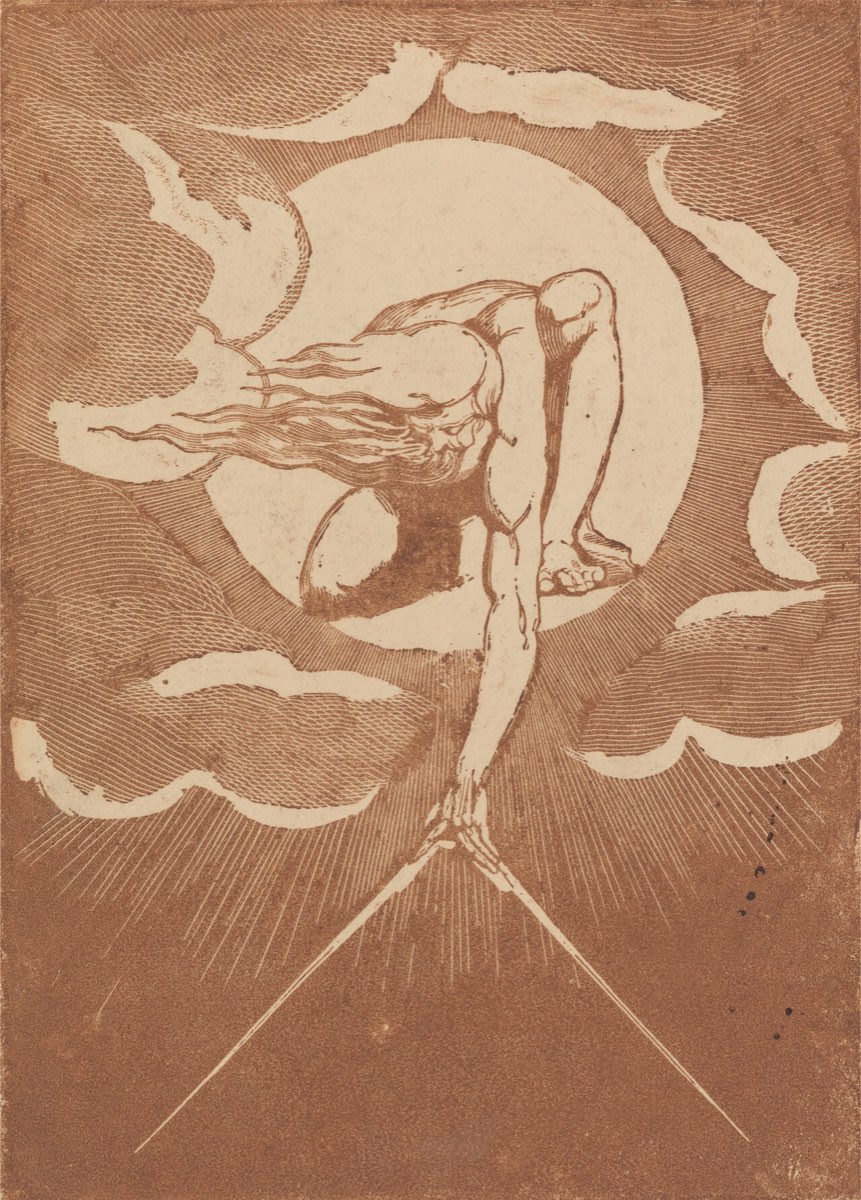
The most radical idea is that of the creator. In Gnostic myths, the God of the Abrahamic religions is not the supreme God. He is a Demiurge, an inferior entity, an imperfect emanation of the divine, who made the world out of ignorance or arrogance. He is sometimes called Yaldabaoth or Samael, the "god of the blind." He believes himself the only God and is unaware of the Pleroma, the divine fullness that transcends him.
Hence creation is seen as a mistake, not a good work. Whoever is born into it forgets where they came from, and the task is to awaken, as one wakes from a dream, and return to the One.
Jesus as teacher
In the Gnostic gospels, such as those of Thomas, Mary Magdalene and Philip, Jesus appears as a teacher who came to remind people of who they are, not as a savior through the cross. In the Gospel of Thomas, one translation reads: "If you bring forth what is within you, what you bring forth will save you. If you do not bring it forth, what you do not bring forth will destroy you."
He would not be the only Christ, but a mirror of the Christ that dwells in every human being. Resurrection would be spiritual, a rebirth of consciousness within this life. The distance from the theology that took hold in the churches is clear, and it explains the condemnation.
The Nag Hammadi find
For centuries, Gnosticism was known chiefly through its detractors, such as Irenaeus of Lyon. In 1945, an Egyptian peasant found, near Nag Hammadi, in Upper Egypt, a sealed jar with thirteen papyrus codices. They contain 52 texts, most of them Gnostic, in Coptic, among them the Gospel of Thomas, the Apocryphon of John and the Gospel of Truth. The prevailing hypothesis is that monks hid them after bishop Athanasius condemned, in 367, the use of non-canonical books.
For the first time, the tradition could be read in its own words. For De Carli, these documents reveal a deep, poetic theology, quite distinct from Christian orthodoxy.
Where it flourished
The main centers were Alexandria, where Hellenized Judaism, Greek philosophy and nascent Christianity crossed paths, and regions such as Syria, Asia Minor and Rome. In Iraq and Iran, Manichaeism gave it a Gnostic reinterpretation with strong Persian influence. De Carli also mentions southern France, where Valentinians and Cathars would have kept Gnostic traditions alive into the Middle Ages, a link historians debate. According to Wikipedia, Gnosticism declined after the second century, but survived discreetly within Western culture and resurfaced in Renaissance esotericism.
Salvation through awakening
The Gnostics distrusted religious institutions, because salvation would come from inner awakening, not external obedience. Blind faith, dogmas and empty rituals would be, in the Gnostic reading, instruments of the Demiurge for keeping humanity asleep. That is why they were seen as dangerous.
Gnostic cosmology divides people into three types. The hylics are bound to matter and pleasure. The psychics act out of morality, belief and good intentions, but have not awakened. The pneumatics have awakened the divine spark and can return to the Pleroma. Salvation, therefore, is not automatic: it falls to whoever sees through the world and recognizes the inner light.
Why it still matters
For De Carli, Gnosticism speaks again to a time of crisis of meaning and distrust of religious institutions, in which a spirituality without religion is growing. It offers no recipe, but a provocation: do you know who you are, where you came from, and why you are here?
For anyone who wants to study it, the researcher recommends Elaine Pagels, the Harvard historian and author of The Gnostic Gospels, Bentley Layton, with his edition of the Nag Hammadi Library, the Pistis Sophia published by Editora Teosófica, and the introduction by Stephan Hoeller. The question Gnosticism leaves behind remains the same: what is there in us that does not belong to this world?
Sources and references for this article
Renan de Carli, text on Gnosticism (special for readers of history and spirituality)
Elaine Pagels, The Gnostic Gospels
Bentley Layton, edition of the Nag Hammadi Library
Stephan Hoeller, Gnosticism
Gnosticism, WikipediaNag Hammadi library, Wikipedia (1945 discovery and contents of the codices)Translated from Portuguese. This article was rewritten from a post on the original blog, in Portuguese. Read the original
Get the best articles of the week
One email a week, no spam. Unsubscribe anytime.
Read next
 Western esotericism · VideoGnosticism: the movement that contested the meaning of Jesus with the early Church
 Western esotericismGnosticism: origins, schools, texts, and what survived the repression
 Vedanta and YogaWhat is Īśvara in Vedānta: why "where is God?" is not the right question
 Vedanta and YogaVedānta: texts, schools, and the study method of one of India's six philosophies
 Western esotericism · VideoThe world as mistake and gnosis as the way out: the Gnostic cosmology of the archons