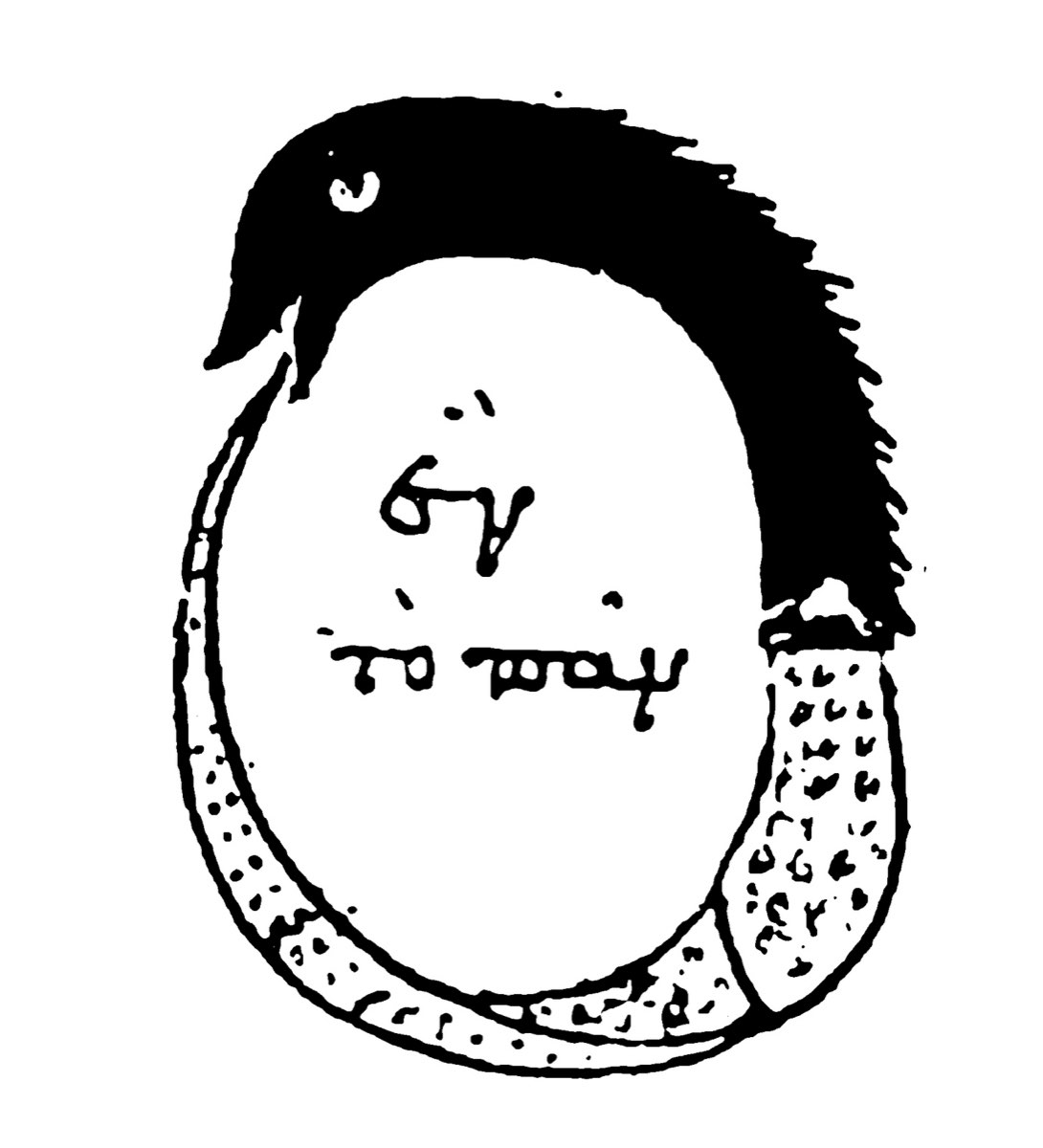
Gnosticism: the movement that contested the meaning of Jesus with the early Church
Gnosticism saw the world as a prison and gnosis as the way out, and clashed with the early Church over who Jesus was and what saves.
· 3 min read · Sources
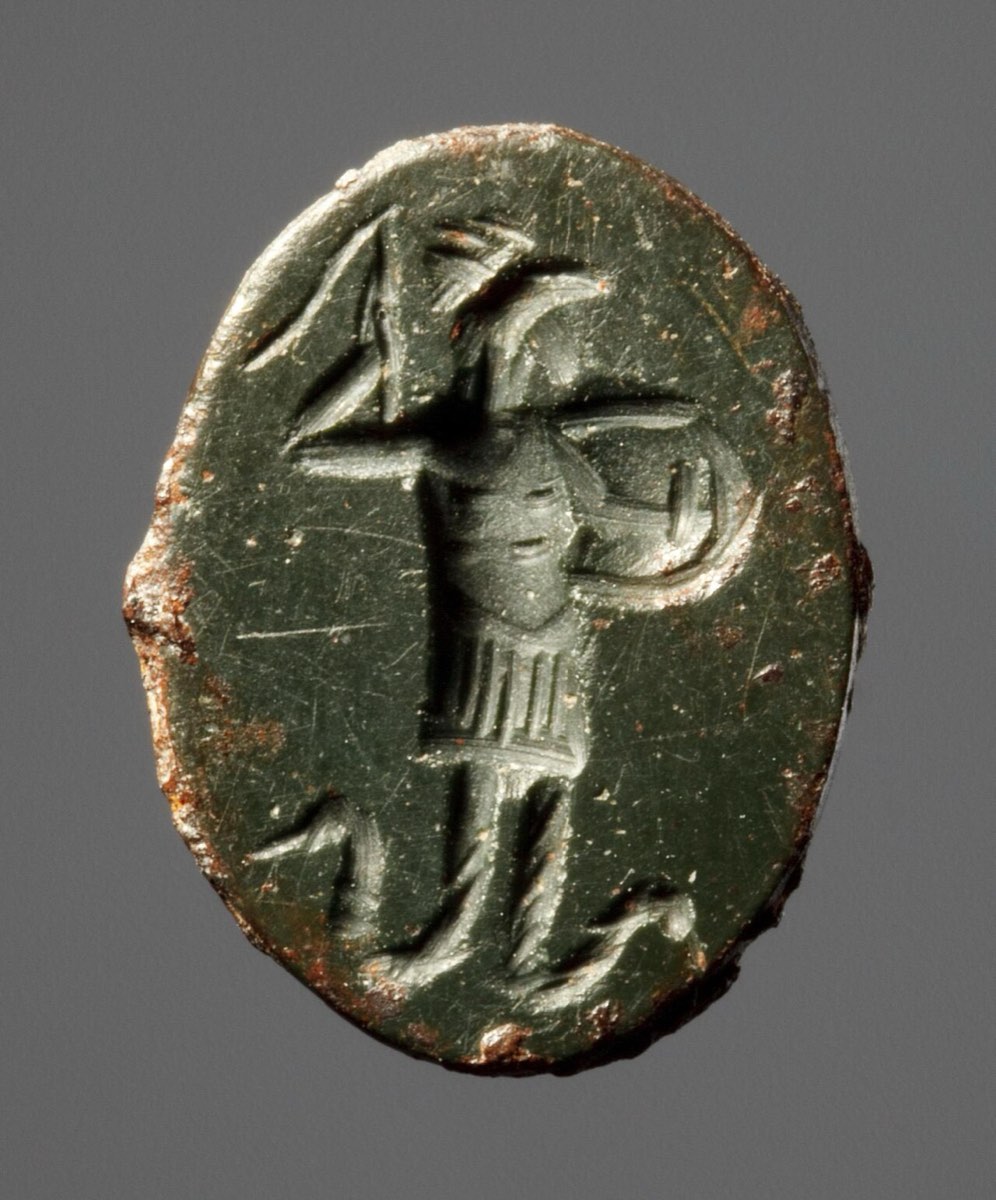

In 1 minute
- Gnosticism is the name for a set of ancient doctrines centered on gnosis, the inner knowledge that, for them, frees the soul from the material world.
- For the Gnostics, the world was the work of an inferior creator, the Demiurge, and Jesus would be a messenger who awakens, not a sacrificial redeemer.
- The Church fought it, the texts nearly vanished, and the library found at Nag Hammadi, in 1945, returned part of them to scholars.
Full article
Before there was a unified Church, the first centuries of the Christian era saw many answers circulating to an uncomfortable question: if the world was made by a good God, why is there so much pain in it? A set of religious currents gave that question a radical answer, and that is why they ended up fought. We call these currents Gnosticism.
The dispute with the early Church turned, at bottom, on who Jesus was and what salvation meant. Researcher Slow, of Canal do Slow, reconstructs that clash in a video, and what he lays out serves as an entry point into one of the most contested chapters in the history of Christianity.
One word, many doctrines
Gnosticism was not a single religion, but a set of religious and philosophical doctrines that arose in the Mediterranean. The term comes from the Greek gnosis, "knowledge." It is not knowledge accumulated in books, but an inner knowledge, of a mystical nature, that would reveal to a person their origin and free them from the illusion of the material world. Many of these currents mixed with early Christianity and were later condemned as heresy.
The world as prison
The central image is that of the Demiurge. In the Gnostic version, the physical universe would not be the perfect creation of a God full of love and wisdom, but the work of an inferior entity, described sometimes as ignorant, sometimes as malevolent. Wars, diseases, earthquakes and famine would be signs of this, not part of some mysterious divine plan.
The practical consequence is a reversal of the meaning of religious life. The goal stops being to worship an external creator and becomes recognizing the divine spark each person would carry within and returning to the spiritual source it came from.
Jesus: teacher or redeemer?
The Gnostics did not reject Jesus. Many saw him as a divine emissary sent to awaken humans, more a teacher than a sacrificial redeemer. Some of them, in line with Docetism, a second-century doctrine, taught that Christ's body was an illusion and the crucifixion only apparent.
That was the point of collision with the Christianity that would later take hold, for which Christ's body and suffering were real. The video cites the First Epistle of John (4:2), which defines as "of God" whoever acknowledges Jesus as having come in the flesh, and reads it as a possible veiled criticism of these groups. Around 180, bishop Irenaeus of Lyon wrote an entire work against them, Adversus Haereses, or "Against Heresies," in defense of the episcopate, the Scriptures and tradition.
What survived
Persecuted as heresy, Gnosticism had many of its texts destroyed, and for centuries was known chiefly through its adversaries. In 1945, a peasant found near Nag Hammadi, in Egypt, a jar with thirteen papyrus codices, containing 52 texts, most of them Gnostic. The video highlights the Gospel of Thomas, teachings attributed to Jesus in the form of short sayings, the Gospel of Philip, which deals, among other themes, with spiritual marriage, and the Apocalypse of James. The documents show a face of early Christianity that orthodoxy left on the margins.
In the Middle Ages, Slow points out, similar ideas resurfaced among the Cathars, also called Albigensians, a movement of extreme asceticism present in northern Italy and southern France between 1100 and 1200. Belief in two principles, one good and one evil, was central to them, and the Church considered them a threat to orthodoxy. The video states that the Inquisition was born largely to suppress them and that they were practically exterminated in the fourteenth century. The direct link between the Cathars and the ancient Gnostics, however, is debated among historians.
Roots and echoes
Slow places Gnosticism within a web of influences: Persian Zoroastrianism, with its duality of good and evil; Platonism, for which the sensible world is an imperfect copy of an ideal world; and the Jewish mysticism of the Second Temple period, from which the Kabbalah would emerge. Several terms and structures would recur in both Gnostic and Kabbalistic texts.
He sees echoes of Gnosticism in works such as The Matrix, with its illusory reality manipulated by a superior intelligence, and in today's search for spirituality outside institutions. The idea that the world is imperfect, that there is a liberating inner knowledge, and that a divine spark is trapped in the flesh, keeps finding an audience.
As an organized religion, Gnosticism did not survive. The question that gave rise to it, about pain in the world, remains open.
Sources and references for this article
Video by Canal do Slow on Gnosticism
Gnosticism, WikipediaNag Hammadi library, WikipediaIrenaeus of Lyon, Wikipedia (Adversus haereses)Catharism, WikipediaDocetism, WikipediaTranslated from Portuguese. This article was rewritten from a post on the original blog, in Portuguese. Read the original
Get the best articles of the week
One email a week, no spam. Unsubscribe anytime.
Read next
 Western esotericism · VideoThe Reality of the Rulers: the Nag Hammadi text that reinterprets Genesis
 Western esotericismGnosticism: the schools that saw the world as a prison and the creator as an impostor
 The EastThe Book of Mirdad: Mikhail Naimy's parable on the self, silence, and the word
 Vedanta and YogaWhat is Īśvara in Vedānta: why "where is God?" is not the right question
 Western esotericism · VideoThe Apocryphon of John, the Gnostic text where the world is born of a flaw