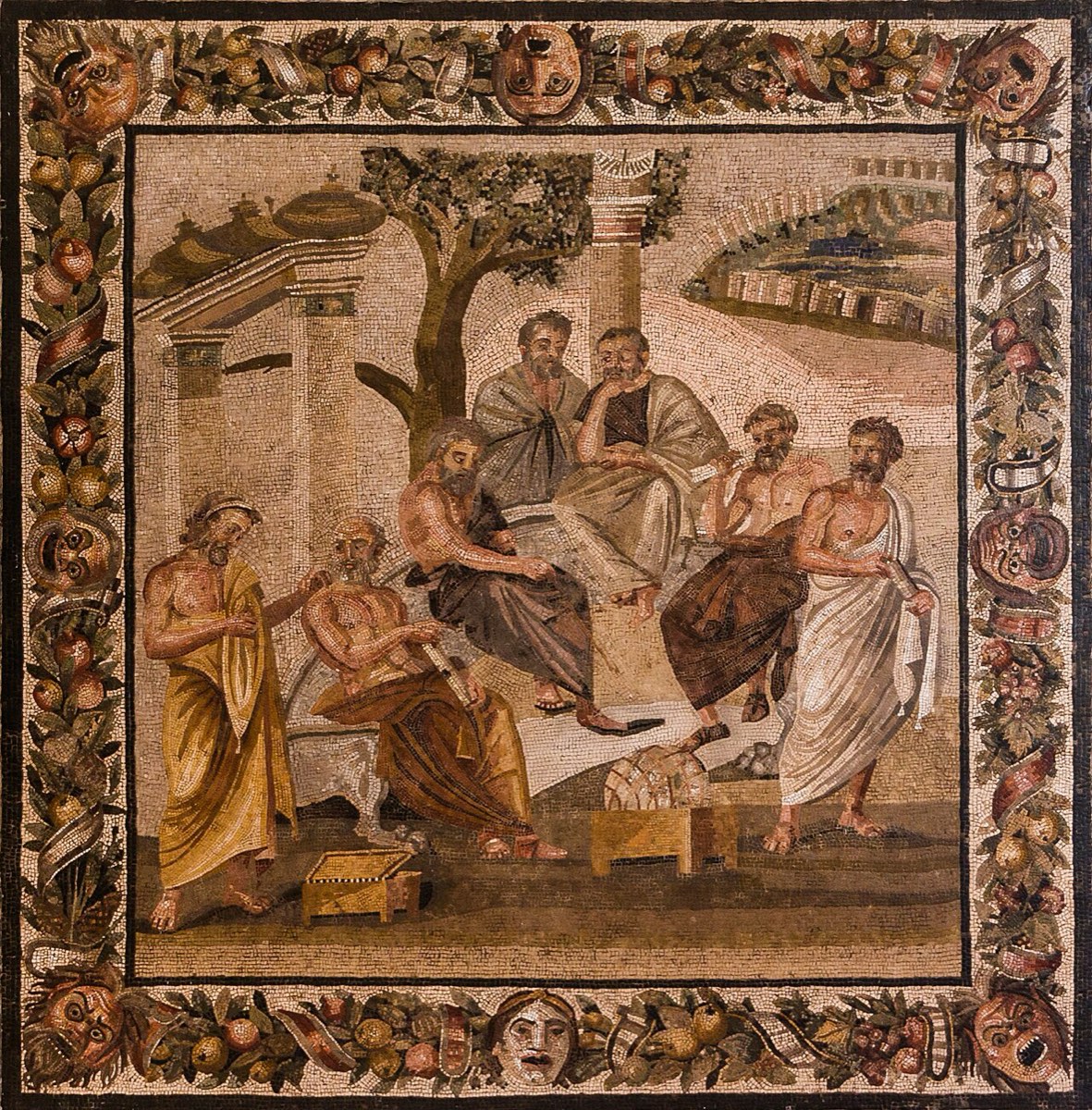
Ten lessons from Taoism on living without forcing life's rhythm
Taoism proposes acting in harmony with the natural course of things; ten popular lessons help explain wu wei, action without forced effort.
· 3 min read · Sources
In 1 minute
- Taoism, tied to the Tao Te Ching, proposes a life of simplicity, balance and presence attuned to the natural course of things, the Tao.
- The ten lessons cover self-knowledge, detachment, humility, kindness, accepting change, leadership that serves, and dispensing with labels and others' approval.
- The thread running through all of it is wu wei, acting in harmony with the natural order, which does not mean passivity.
Full article
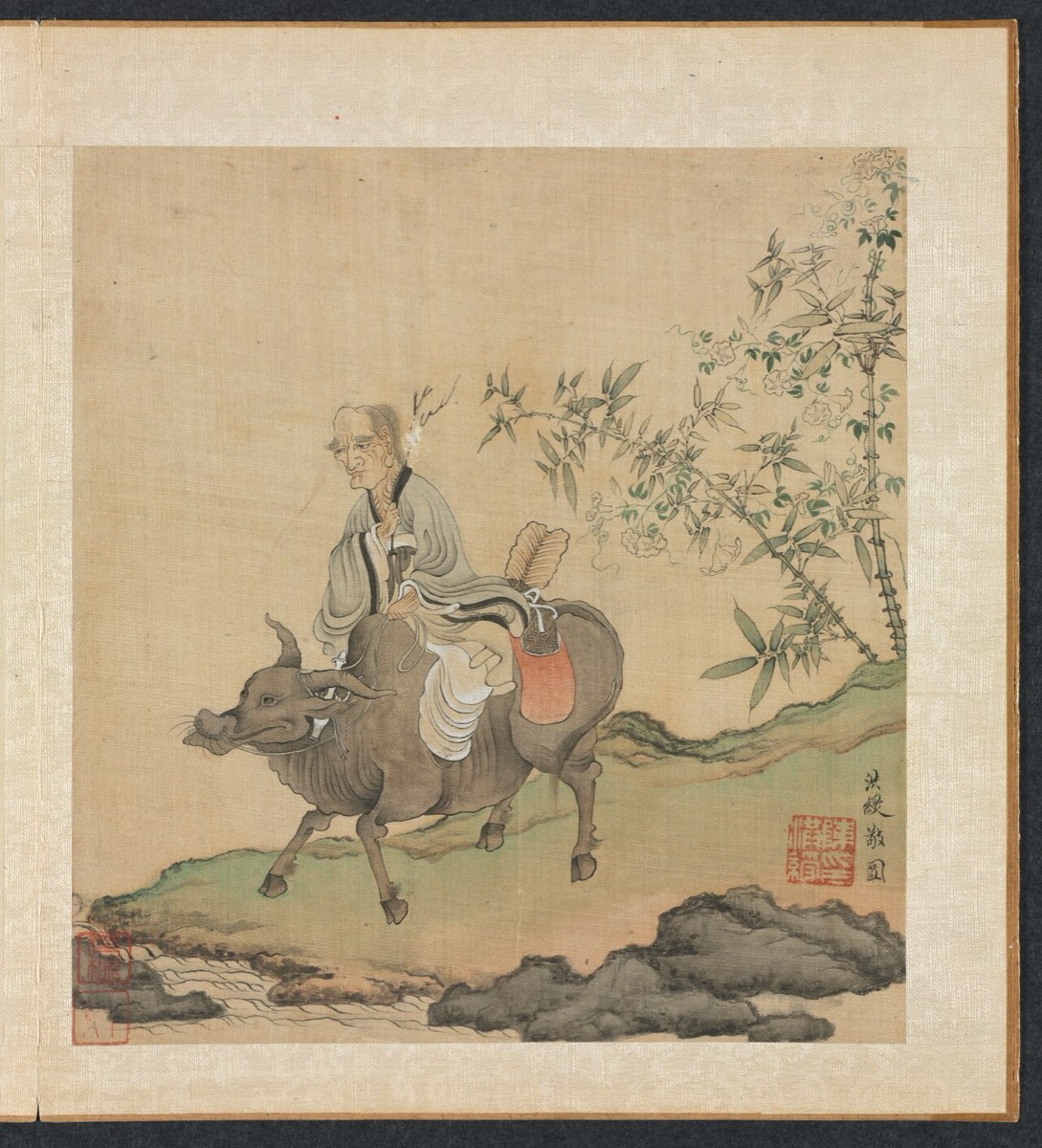
Taoism sits awkwardly inside the idea of organized religion. Before it is doctrine, it is a way of looking: the world is said to have a course of its own, the Tao, and life runs better when one does not try to force it. Tradition attributes its founding text, the Tao Te Ching, to the master Laozi, a figure most scholars today consider legendary, and the book, a collection of proverbs of oral origin, written between the fifth and third centuries BCE.
That legacy now circulates in lists, cards and videos. One of them, from the Brazilian YouTube channel Vibre Alto, gathers ten lessons that serve as an entry point. They show well what the tradition offers the contemporary reader, and also what tends to get lost in the simplification.
A short book of uncertain authorship
The Tao Te Ching, "The Book of the Way and Virtue," runs just over five thousand Chinese characters. The oldest known version was found in 1993, in Guodian, in a tomb from the fourth or third century BCE, written on bamboo strips. The text is concise to the point of challenging even Chinese readers, which is why translations diverge so much.
A useful warning is in order: many sentences that circulate as Laozi's words do not appear in the book. What follows, then, treats the lessons as readings of the tradition, not as quotations from the master.
Looking inward and letting go
The video's first lesson is self-knowledge. In a culture that rewards competition and external achievement, Taoism places growth inward: knowing others is intelligence, knowing oneself is wisdom. Harmony would come from the balance between yin, the receptive and introspective principle, and yang, the active and outward one, so that action and reflection complete each other.
Next comes detachment. Suffering is said to arise from clinging to security, recognition and control. Letting go, however, is not indifference: it is being able to love and act without holding on to anyone, not even oneself. Along the same lines is the rejection of labels. Calling oneself a "winner" or a "loser" turns the person into a role, and Taoism suggests flowing beyond such tags.
Kindness, humility and the evil that isn't fed
The channel's reading claims that evil loses strength when it receives no attention. It is a way of saying that fighting darkness with more tension tends to feed it, and that the way forward is to strengthen the inner self and purify intention. Kindness is compared to water, which nourishes without asking for recognition: in words it builds trust, in thought it builds depth, in giving it builds love.
Humility and authenticity round out the picture. Whoever lives for others' approval becomes its prisoner. And Taoist stories recall that arrogance tends to come from luck, not merit, and that acknowledging what one does not know keeps learning moving.
Change and leadership
Two lessons deal with time and power. Accepting change means recognizing that everything is motion: resisting it produces suffering, and losses can turn out to be beginnings. The idea of leadership, meanwhile, inverts convention. Whoever wants to lead must place themselves below others, like rivers that bend downward to feed the sea. Power that imposes itself provokes resistance; power that welcomes sustains.
Wu wei: acting without forcing
The thread running through it all is wu wei (无为), usually translated as "non-action." The term is misleading. It does not mean passivity, but rather serene conduct, without artificial effort and without unnecessary interference in the course of events. For Taoists, forcing nature produces resistance, while waiting for the right moment, with patience and presence, produces lasting results.
It is a demanding ideal and, at the same time, an easy one to oversimplify. The self-help reading turns it into a productivity technique. In the tradition, it is part of a broader vision: people are said to have come from the Tao, drifted from it by developing artifice, and the path consists of returning to original harmony.
What remains open
The charm of the ten lessons lies in their simplicity, and so does the risk. Presented as loose advice, they lose the context of a way of thinking that is wary of its own rush to give advice. The question the tradition leaves behind is old and practical: how much of each day's effort would be dispensable?
Sources and references for this article
Vibre Alto channel, video with ten lessons from Taoism
Laozi, _Tao Te Ching_
Tao Te Ching, Wikipedia (dating, authorship and content of the book)Wu wei, WikipediaTranslated from Portuguese. This article was rewritten from a post on the original blog, in Portuguese. Read the original
Get the best articles of the week
One email a week, no spam. Unsubscribe anytime.
Read next
 The EastSexual transmutation: what Taoism, Tantra, and Alchemy propose about conserving energy
 The EastFear, envy, anger, and hatred as refusals: a reading inspired by Rumi and Sufism
 Vedanta and YogaGita, lesson 12: heaven as a promise, and the search to feel at ease with oneself
 Western esotericismThe ego in Kabbalah: why one teacher says fighting it is a battle already lost
 Western esotericism · VideoWhy No Outer Change Lasts Without Inner Change, According to Stoic Philosophy