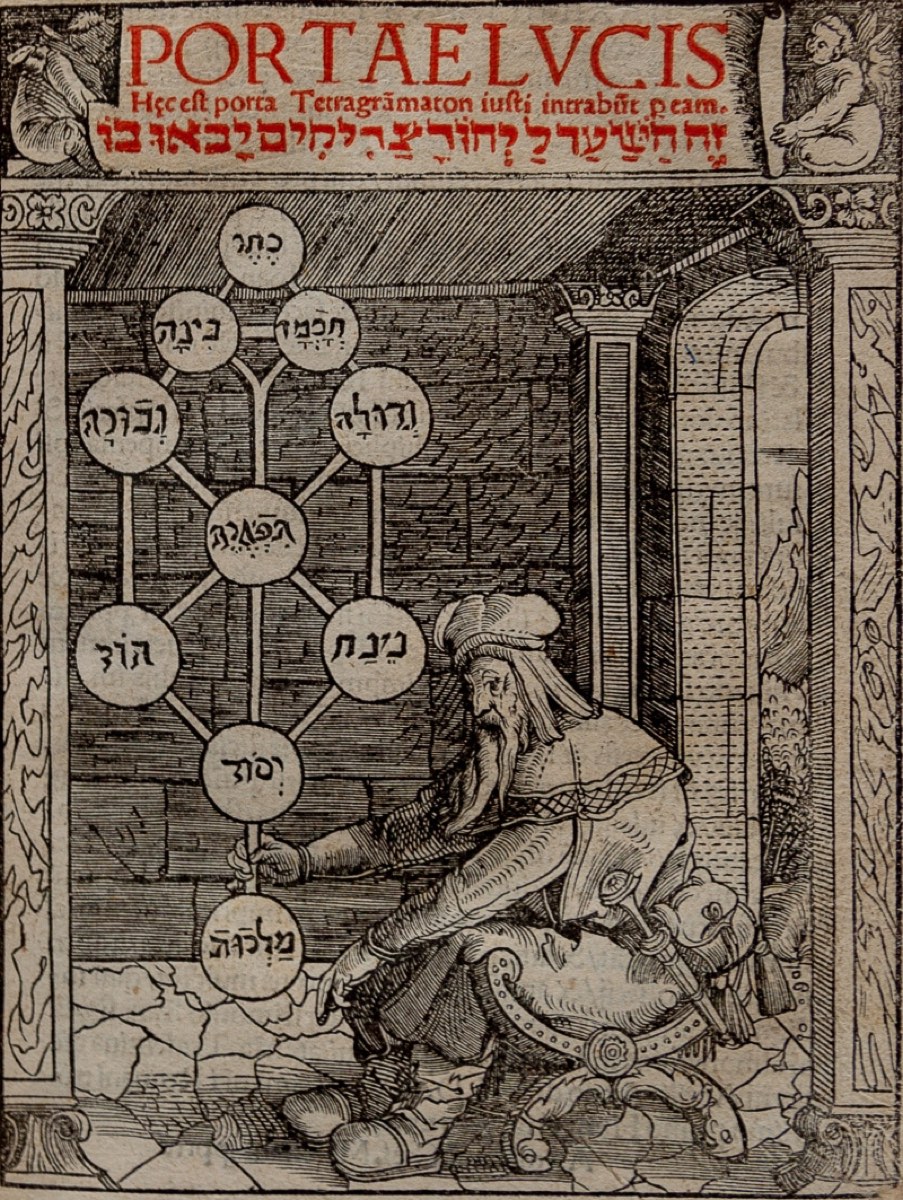
Sexual transmutation: what Taoism, Tantra, and Alchemy propose about conserving energy
Several esoteric traditions view sexual energy as a resource that can be conserved and refined; science does not confirm the promised benefits.
· 3 min read · Sources

In 1 minute
- Taoism, Tantra, Alchemy, and Egyptian esotericism reportedly teach that sexual energy can be conserved and transformed into vitality and consciousness.
- The technique combines slow breathing, pelvic muscle contraction, and visualizing energy rising through the spine, from Jing to Qi to Shen.
- The described benefits and energy losses come from esoteric beliefs with no scientific confirmation; this text is not medical guidance.
Full article
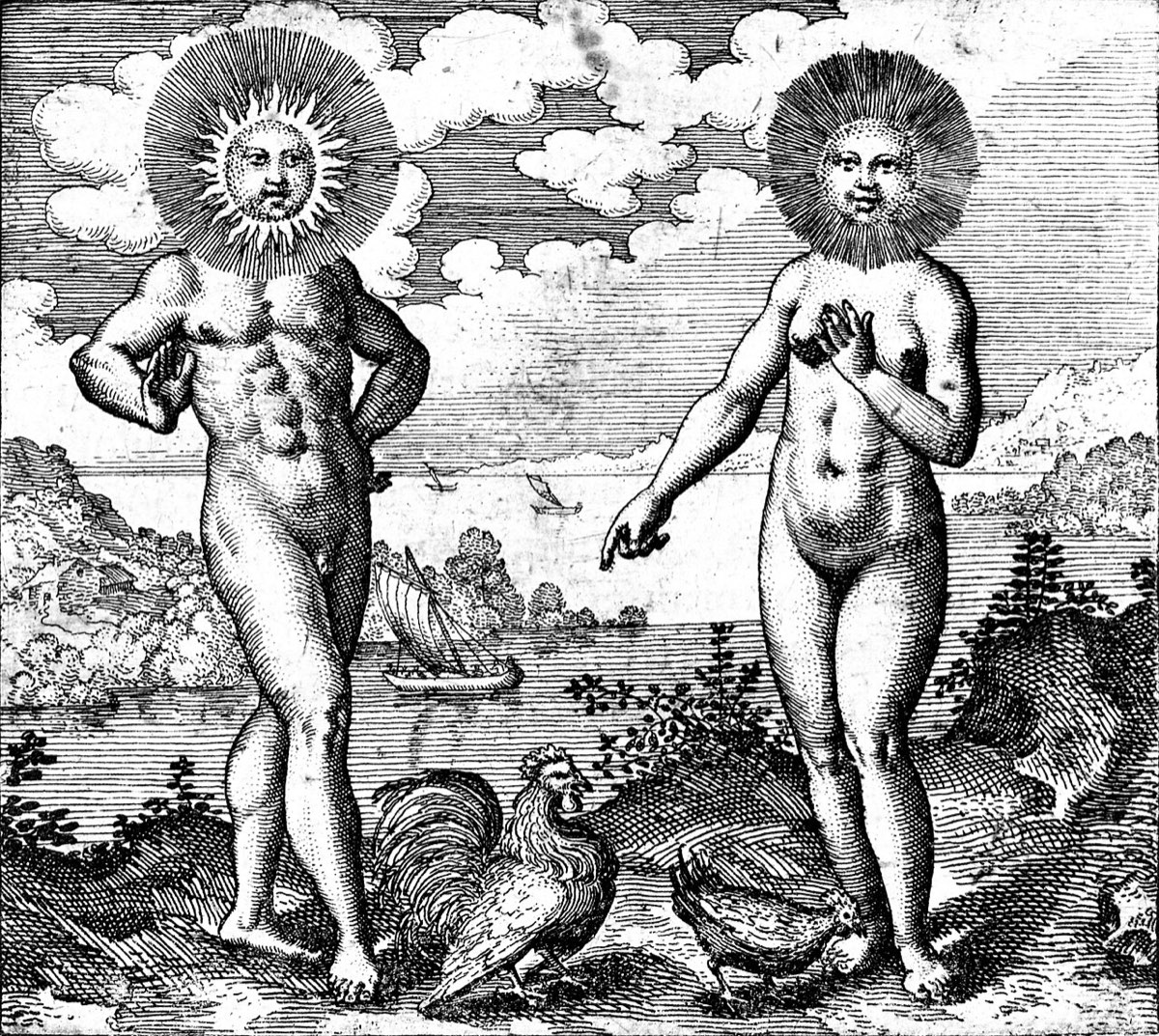
In some of the oldest spiritual traditions, sex does not appear only as impulse or pleasure. It appears as raw material: a force that generates life and that, well channeled, could also regenerate the body and expand consciousness. It is an idea that runs through Chinese Taoism, Indian Tantra, Western Alchemy, and Egyptian mystery traditions, according to the source text for this piece, and one that resurfaces today in books and videos about self-mastery.
It is worth separating the layers from the outset. What is described here are beliefs and techniques from these traditions, not established facts. There is no scientific study confirming the promised benefits, the original does not name an author or reference work, and nothing below substitutes for medical or psychological guidance.
An energy with many names
The starting reasoning is simple: what generates a life would also be capable of sustaining one. Each tradition is said to have named this force. Taoist masters speak of Jing, the Indian tradition of Ojas or Shakti, and the Egyptians of a “vital essence.”
In the logic of these systems, conserving and refining sexual energy would nourish the organs and strengthen the brain. Hence the conclusion, repeated by practitioners, that whoever masters it masters their own experience, rather than being driven by it.
From waste to transmutation
The criticism that accompanies this proposal targets modern masturbation, described as a compulsive act used for escape and immediate relief. To it, the text attributes fatigue, lack of focus, anxiety, loss of “magnetism,” and spiritual disconnection. These are claims made by advocates of the practice, not measured results.
The alternative is not to deny desire but to transform it. The tradition describes transmutation in three steps: Jing, raw sexual energy, is refined into Qi, subtle vital energy, which in turn rises into Shen, spiritual energy. “Alchemical gold,” in this reading, is not the metal alchemists appeared to be seeking, but the transformed self.
The practice, step by step
The method combines techniques presented as age-old. During arousal, one breathes slowly, guiding the energy toward the abdomen and heart. The pubococcygeus muscle, the same one that stops the flow of urine, is contracted. One visualizes a clear, golden, or white light rising up the spine to the crown of the head, a path known as the microcosmic orbit, while holding a defined intention, such as healing or creativity.
This is not about strict abstinence. The proposal is to listen to the body and distinguish conscious release from compulsion. Sublimated pleasure, in this view, rises through the upper centers, the chakras, up to the heart, the mind, and the pineal gland.
Signs and promised effects
Among the signs of energy loss, the original lists fatigue after orgasm, emotional emptiness, difficulty concentrating, mood instability, and a drop in vitality. These symptoms would indicate energetic waste, not genuine pleasure.
Those who practice retention and transmutation, advocates promise, would gain physical energy, mental clarity, emotional stability, self-mastery, creativity, and a sense of purpose. The body, in the text's words, would become a temple and the spirit a lit torch.
It is a promise that calls for caution, precisely because it sounds so good. Fatigue, emptiness, and irritability have many possible causes, and attributing them to a single habit is a step none of the traditions cited actually proves. The question that remains is the one the text frames as a choice: keep spending energy on impulse, or try to direct it. In these traditions, the answer is a matter of personal discipline, not demonstrated proof.
Sources and references for this article
Original text published on the Espaço Consciência blog, with no primary source givenTranslated from Portuguese. This article was rewritten from a post on the original blog, in Portuguese. Read the original
Get the best articles of the week
One email a week, no spam. Unsubscribe anytime.
Read next
 The EastWhy we suffer: Buddhism, Taoism, and karma in Laércio Fonseca's reading
 The EastFear, envy, anger, and hatred as refusals: a reading inspired by Rumi and Sufism
 Western esotericism · VideoMental transmutation: what the Kybalion asks before Mentalism
 Indigenous peoples · VideoThe Māori tohunga teaching back a practice her country banned by law over a century ago
 Western esotericism · VideoKabbalah in one hour: Gil Sheer's claim that it is a method, not a religion