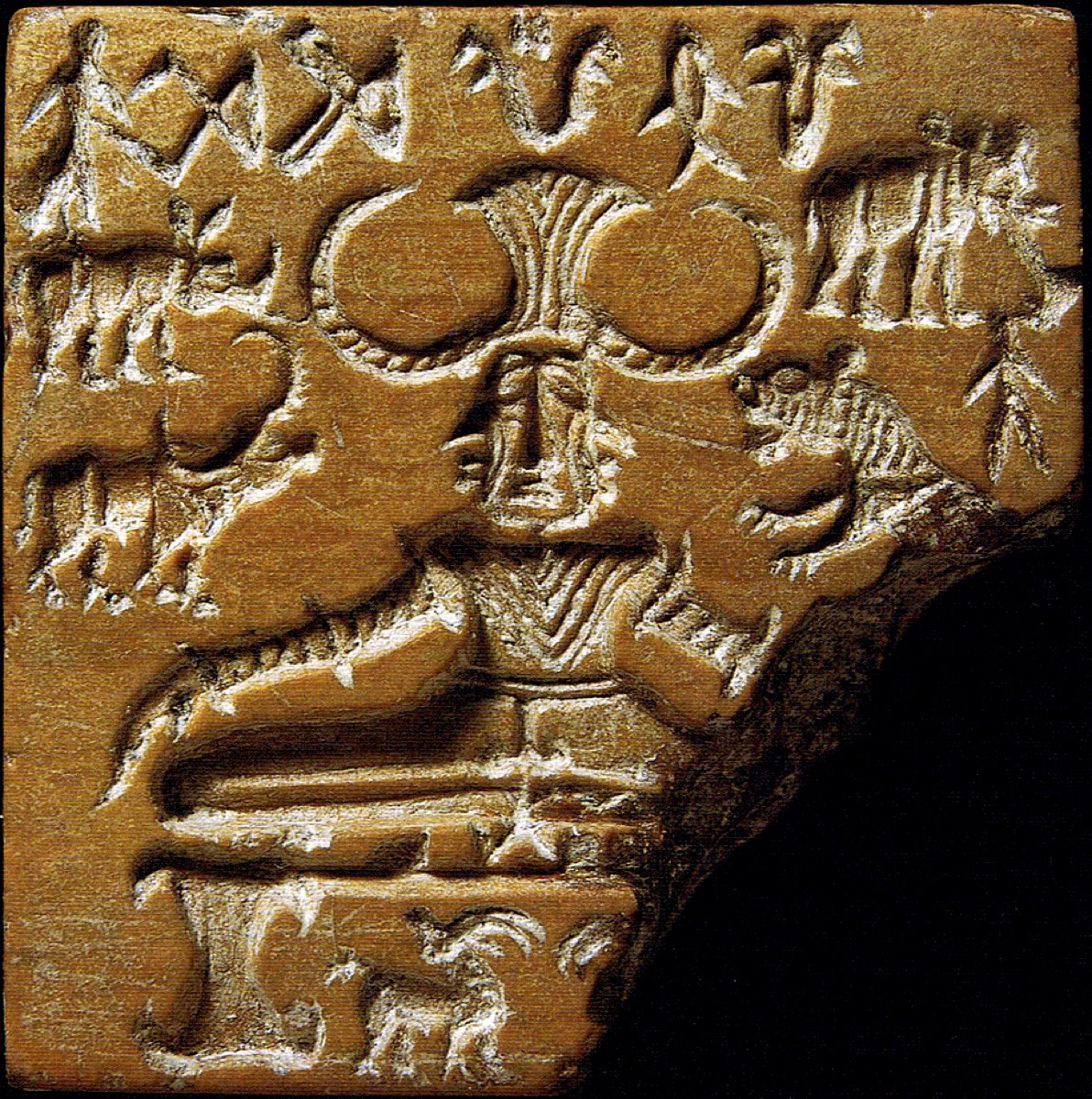
Paths of Yoga: a Brazilian pilgrimage from Rishikesh to the sources of the Ganges
A 2004 documentary follows four Brazilians through the ashrams of Rishikesh and the temples of the Himalayas in search of yoga beyond exercise.
· 2 min read · Sources
Source video
Oka Comunicações · “Caminhos do Yoga - Arquivo OKA 2004”
More videos and documentaries in the Videos tabIn 1 minute
- Directed by Daisy Rocha and Tereza Freire, the 52-minute film records a four-person crew's month-long journey through what is now the state of Uttarakhand, in northern India.
- The crew went looking for postures and found something else: the study of scripture, devotion and pilgrimage as forms of yoga.
- The route takes in the ashrams of Rishikesh, the ceremony of lights in Haridwar and the temples of Badrinath, Kedarnath and Gangotri, high in the Himalayas.
Full article
The Brazilian crew arrived in India looking for postures, breathing and meditation, the yoga the West knows from the gym. They came back talking about devotion, renunciation and 14-kilometer hikes to temples more than 3,000 meters above sea level. Caminhos do Yoga (Paths of Yoga), a 2004 Brazilian documentary, records that change of course.
The film is directed by journalist Daisy Rocha and screenwriter Tereza Freire, who also wrote and narrates the text. Pedro Kupfer served as yoga consultant. It is an independent production by Terra Comunicação. Over 52 minutes, it follows a month-long trip by four people, among them a yoga teacher and a photographer, through what is now the state of Uttarakhand, in the north of the country.
Rishikesh, city of ashrams
The starting point is Rishikesh, on the banks of the Ganges at the foot of the Himalayas, which became famous in the West after the Beatles' visit in the 1960s. The film works almost as a guide to the ashrams, the communities of study and practice that host visitors: Sivananda's, founded by a physician and still running a hospital; postural yoga schools full of foreigners; and the ashram of Swami Dayananda, where there is no physical yoga at all, only the study of the Vedas and philosophy, like a college with a monastery's routine.
Devotion as a path
Little by little, the film trades postures for rituals. It shows puja, the ceremony in which a deity is received as a guest, bathed and adorned with flowers, and the aarti of Haridwar, the offering of lights to the river at nightfall. The narration presents these gestures as bhakti yoga, the path of devotion, and recalls that the central source of yoga philosophy is the Bhagavad Gītā, the dialogue between Krishna and Arjuna about acting without clinging to results.
Toward the sources
The final part is the pilgrimage. The crew climbs to Badrinath, to Kedarnath, which requires a trek on foot, and to Gangotri, which symbolizes the source of the Ganges. For Hindus, seeing the sacred image in the temple and bathing in the river are forms of purification. The landscapes are the film's high point.
What to keep in mind
The narration claims yoga is at least 5,000 years old. Historians are more cautious: the Yoga Sutras, attributed to the sage Patañjali, were compiled in the early centuries of the Common Era, drawing together older traditions. The film also has the tone of a travel diary, with a sometimes romantic view of India, and more than twenty years separate its images from the India of today.
Why watch
Because it shows, with rare footage of the high Himalayas, that yoga in India is much more than exercise: it is study, ritual and a path walked on foot. For anyone who only knows the mat, it is a welcome widening of the horizon.
Sources and references for this article
Caminhos do Yoga - Arquivo OKA 2004. Oka Comunicações, YouTube, 19 Sep 2012Rishikesh, Wikipedia (in Portuguese)Yoga Sutras of Patanjali, WikipediaGet the best articles of the week
One email a week, no spam. Unsubscribe anytime.
Read next
 Vedanta and Yoga · VideoDissipating the Darkness: how yoga, Hare Krishna and Ayurveda took root in Brazil
 Vedanta and YogaVedānta: texts, schools, and the study method of one of India's six philosophies
 Science and consciousness · VideoYoga and meditation in Brazil's public health system: a Fiocruz documentary from Maré to Inca
 Science and consciousnessWhat the studies show about Ashtanga Yoga, from the heart to the bones
 Vedanta and Yoga · VideoHistory of Yoga: the documentary that searches for yoga across six thousand years of Indian history