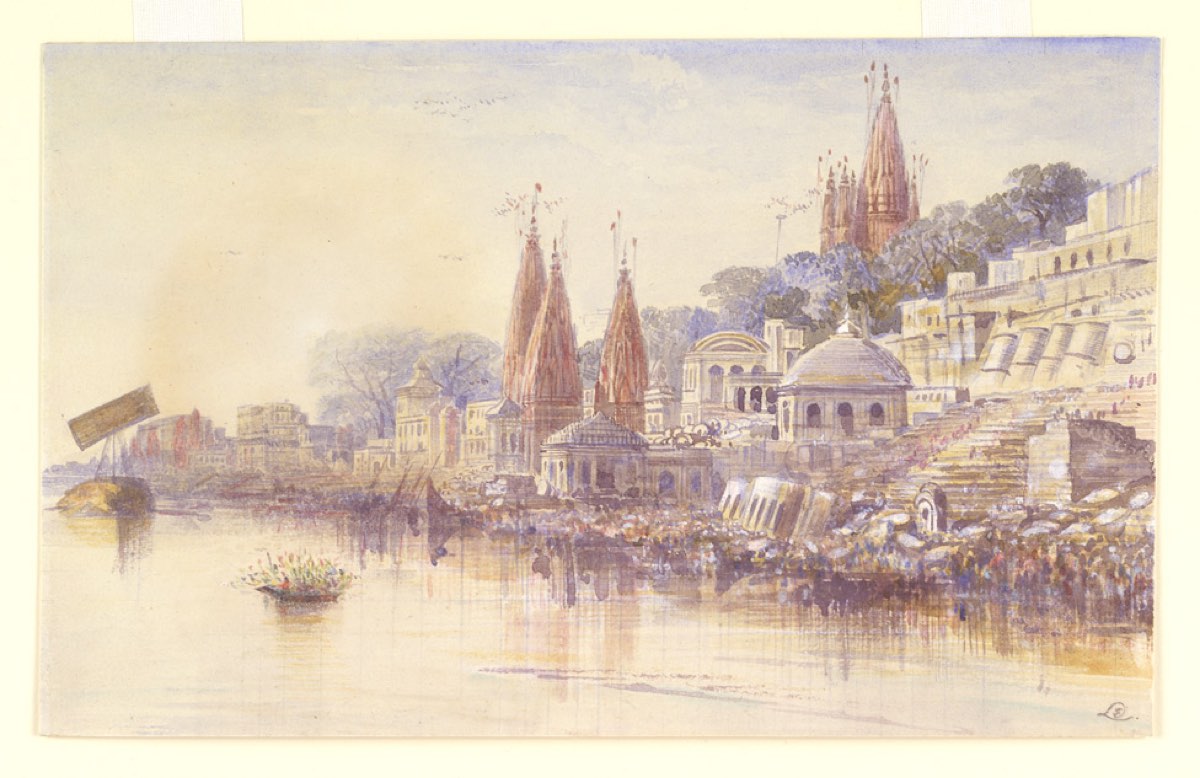
History of Yoga: the documentary that searches for yoga across six thousand years of Indian history
A film by Indian producer Vishuddhi Films travels from Harappa to Ramakrishna to show how yoga changed shape, with footage of temples, caves and sculptures.
· 2 min read · Sources
Source video
Vishuddhi Films · “History of Yoga Full Film English”
More videos and documentaries in the Videos tabIn 1 minute
- History of Yoga, a 96-minute documentary by Vishuddhi Films, starts from Patanjali's Yoga Sutras and goes back in time to the Indus Valley civilization.
- The journey moves through the Vedas, Upanishads, Buddhism, Jainism, the Gita, tantra, hatha yoga, bhakti and Sufism, and ends with Ramakrishna and Vivekananda in the 19th century.
- Some of the film's claims, such as its dating of the Rigveda and a matriarchal Harappa, go beyond what historical research supports today.
Full article
Patanjali's Yoga Sutras would fit on a single page. Even so, those few aphorisms, which define yoga as the stilling of the mind's fluctuations, became the reference point for a practice that has since spread around the world. History of Yoga starts from that short text and asks what came before it and what followed.
The film is by Vishuddhi Films, an Indian producer that for about 15 years has made educational documentaries on the country's culture, philosophy and art, and says it has filmed more than 180 archaeological sites. There is no presenter: a narrator guides the journey, with brief comments from archaeologists and scholars.
From the Indus cities to the Vedas
The first stop is Harappa. The film shows the so-called Pashupati seal, a seated figure many read as a yogi, terracotta figurines in demanding postures and the drains and bathing pools of the Indus cities, which the narrator links to the cleanliness yoga prescribes. An archaeologist describes a cemetery at Farmana where women were buried at the center, with all their ornaments. From there the film moves on to Samkhya, the philosophy of the elements of nature that serves as yoga's theory, and to the Vedas, where the word yoga first appears in its classical sense in the Upanishads.
Monks, tantra and hatha yoga
The richest stretch comes next: the Buddha meditating under the fig tree, Jain saints standing for long periods, the Gita taking yoga from the caves to the battlefield, the 112 meditation methods of the Vigyan Bhairav and the tantric art of Khajuraho and Elephanta. Matsyendranath and Gorakhnath appear as the founders of hatha yoga, which gets its manual in the 14th century with the Hatha Yoga Pradipika. The journey ends with the bhakti movement, the Sufis and Ramakrishna, whose disciple Vivekananda carried yoga to the West.
Where the film outruns the evidence
The narrator dates the Rigveda to between 3000 and 2000 BC; the current estimate, based on geographical passages in the text itself, is between 1700 and 1100 BC. Reading the Pashupati seal as a yogi is disputed by some scholars, and the idea of a matriarchal, almost democratic Harappa is a hypothesis, not a consensus. The film also carries a tone of national exaltation, as in the line that India has never attacked out of revenge.
Why watch
Few films show with such care the places where yoga left its mark: meditation caves, yogini temples, mural paintings fading through neglect. For practitioners, it is a good way into understanding that yoga has always changed shape.
Sources and references for this article
History of Yoga Full Film English. Vishuddhi Films, YouTube, 1 Apr 2022Vishuddhi Films, official siteRigveda, Wikipedia (in Portuguese)Pashupati seal, WikipediaGet the best articles of the week
One email a week, no spam. Unsubscribe anytime.
Read next
 Vedanta and YogaVedānta: texts, schools, and the study method of one of India's six philosophies
 Vedanta and Yoga · VideoDissipating the Darkness: how yoga, Hare Krishna and Ayurveda took root in Brazil
 The East · VideoUrgan, the boy monk of the Himalaya: documentary follows a nine-year-old's journey to the monastery
 The East · VideoMotions of the Tao: ritual, meditation and tai chi as paths of Taoism
 Vedanta and Yoga · VideoSâdhaka: Ramiro Calle and the search for the yoga that existed before the gym