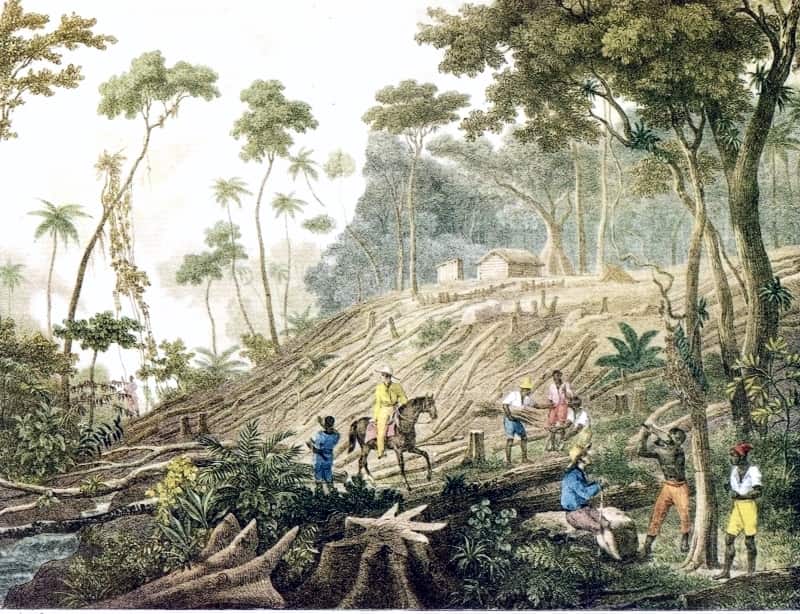
Pena e Maracá: the healers of Soure, on Marajó Island, and the enchanted beings of the deep
A Sauá Filmes documentary listens to healers in Soure, on Marajó Island, on the gift, the enchanted beings of the river depths and the risk that pajelança will vanish.
· 2 min read · Sources
Source video
Sauá Filmes · “Pena e Maracá - A Encantaria do Fundo”
More videos and documentaries in the Videos tabIn 1 minute
- Pena e Maracá - A Encantaria do Fundo, from Sauá Filmes, listens to pajés and healers in Soure, on Marajó Island, about caboclo pajelança.
- In the belief of those interviewed, the gift is inborn or arrives through the encantados, beings who live at the bottom of rivers and the sea and act through healing.
- The healers speak of prejudice, of apprentices who do not come forward and of fear that the tradition will end with them.
Full article
In Soure, on Marajó Island, one of the film's voices recalls being told by a pai de santo, a spiritual leader, that the trouble was not one for doctors in white coats but for the surgeons of the earth: the work had to be done in the line of Pena e Maracá, the encantaria of the deep. Another woman interviewed wanted to be a criminal lawyer. She says nature imposed on her the destiny of a pajé.
Pena e Maracá - A Encantaria do Fundo, a 29-minute documentary from the production company Sauá Filmes, brings together healers from the town to explain a practice little known outside the Amazon: caboclo pajelança.
The gift and the encantados
Pajelança is a healing system in which the pajé enters a trance, receives entities called encantados, identifies the illness of the person seeking help and prepares plant remedies. In the Soure version, the encantados live at the bottom of rivers, creeks and the sea and appear as Indigenous people, cowhands or animals. Those interviewed say the gift is inborn or arrives later, when an encantado takes a liking to someone. One says no one teaches you to be a pajé: you learn on your own. Another spent seven years in preparation, from 13 to 20, before being considered ready.
Herbs, prayers and respect
The film records prayers repeated three times to drive a spirit away from a baby, garrafadas, bottled infusions of aloe and other herbs, and the rule of asking the forest's permission before cutting a tree. One healer says a woman pajé feels and observes more, and points out that in Soure many associations are run by women. Another distinguishes pajelança from umbanda and asks that the traditions not be mixed.
The healing stories, including that of a garrafada prepared for cancer, belong to the beliefs of those who tell them and have no scientific proof. No traditional remedy replaces medical treatment, and one of the pajés herself admits that not every illness is within a pajé's reach.
A tradition under pressure
Those interviewed remember famous healers who have died and say it is now hard to find a pajé. One healer recalls that on a Carnival Monday some 300 people carrying torches came to her door shouting that they would kill the witch. One of the pajés pins his hopes on his grandson, who is at university, even against the wishes of the young man's mother.
Why watch
Made with few resources and a great deal of listening, the film lets the pajés speak in their own way. It is a rare record of an Amazonian tradition that blends Indigenous, African and Catholic heritage and risks disappearing with its last practitioners.
Sources and references for this article
Pena e Maracá - A Encantaria do Fundo. Sauá Filmes, YouTube, 25 Mar 2019Pajelança, Wikipedia (in Portuguese)Encantaria, Wikipedia (in Portuguese)Soure (Pará), Wikipedia (in Portuguese)Get the best articles of the week
One email a week, no spam. Unsubscribe anytime.
Read next
 Indigenous peoples · VideoThe Māori tohunga teaching back a practice her country banned by law over a century ago
 Indigenous peoples · VideoVoices of the Grandmothers: Indigenous elders on song, grief and caring for the Earth
 Death and beyond · VideoNear death: three survivors and the doctors who see consciousness going on
 Death and beyond · VideoWhat dying feels like: three young women describe a near-death experience and what changed afterward
 Indigenous peoples · VideoAshaninka, Seeders of the Forest: TV Cultura documentary shows the people who replanted 87,000 hectares in Acre