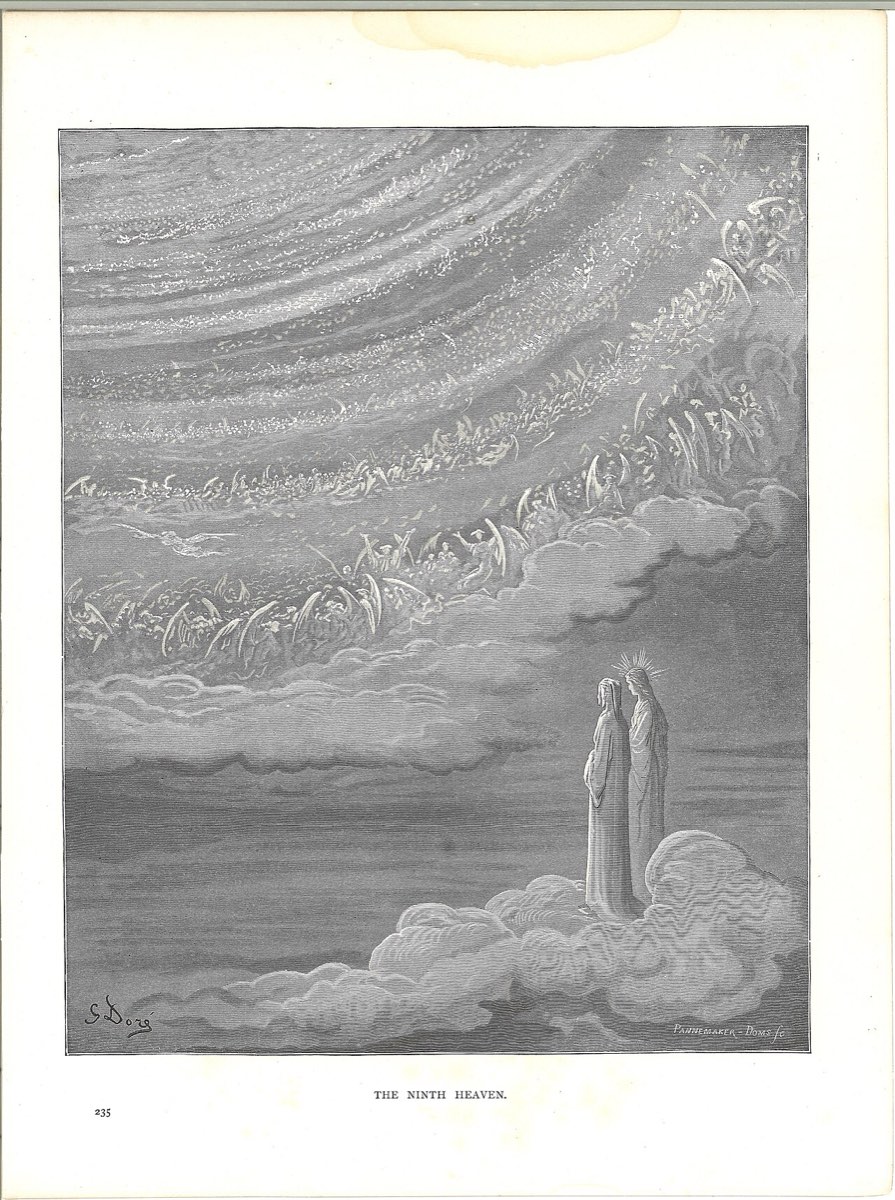
What dying feels like: three young women describe a near-death experience and what changed afterward
A DW documentary follows Lea, Leticia and Chanel, who say they saw their own bodies from outside, and shows the trauma and rebuilding that came next.
· 2 min read · Sources
Source video
DW Documental · “¿Cómo se siente morir? | DW Documental”
More videos and documentaries in the Videos tabIn 1 minute
- A dance therapist, a world champion skater and a model say they left their bodies, saw light and reviewed their lives when they came close to death.
- The film gives equal weight to what followed: panic attacks, trauma triggers, therapy and a slow return to work and sport.
- Science has no consensus on what causes these experiences; the documentary records the accounts without taking sides.
Full article
A marketing employee who tried a cannabis cake at a birthday party. A world champion skater whose heart stopped weeks after routine surgery. An 11-year-old girl with Crohn's disease spiraling out of control. All three came back saying they had seen their own bodies from outside.
¿Cómo se siente morir? is a German production by Deutsche Welle, in the Spanish-language version made by the broadcaster itself. Its subjects are Lea, a 29-year-old dance and movement therapist who lives in the Swiss canton of Aargau; Leticia, 32, an elite athlete and police officer who has been world champion in inline speed skating; and Chanel, 24, a model and influencer.
Three roads to the edge
Lea spent hours drifting between consciousness and blackout after the cake, which probably contained other drugs. She says she saw her body from high up in the room, a tunnel of light and her whole life replayed, alternating with the fear of not coming back. Leticia broke her collarbone in a mountain bike crash; weeks after the operation, one of the metal wires implanted in her came loose and pierced her aorta, and the blood that pooled around her heart made it stop. She describes watching from the ceiling as the medical team tried to revive her. Chanel reached the hospital in 2012 with an infection spreading through her blood. In a coma, she says, she met the grandmother she knew only from photos and left the family dog with her; according to her mother, the dog died that same night.
The aftermath is the hard part
The documentary does not stop at the ecstasy. Lea had a year of panic attacks until she found a dance therapist who treated the episode as something to be understood, not just an overdose. Leticia would collapse at the sound of a helicopter, which took her back to her emergency airlift, and needed a psychologist. Chanel saw her Crohn's return in 2025 and decided to talk about the disease on social media. Today Lea runs a movement studio, Leticia hosts a podcast and is back on the track, and Chanel uses her own scars to argue that no one needs to hide their body.
What is known about the experience
Leaving the body, a tunnel, light and a life review have been the most commonly cited features since psychiatrist Raymond Moody brought the subject to a wide audience in the 1970s. There is no scientific consensus on the cause. Among doctors, the most accepted explanation is that these are experiences produced by the brain under extreme stress; spiritualists read them as a sign that consciousness survives the body. The film does not pick a side: it records what the three women say and what they do with it.
Why watch
For its honesty about the dark side. The film shows the trauma, the therapy and the slow work of making sense of what happened. Near the end, Leticia finishes a European championship in eighth place and says it is only the end of a stage, not the end of the world.
Sources and references for this article
¿Cómo se siente morir? | DW Documental. DW Documental, YouTube, 19 Feb 2026Near-death experience, Wikipedia (in Portuguese)Get the best articles of the week
One email a week, no spam. Unsubscribe anytime.
Read next
 Death and beyond · VideoNear-death experiences: what repeats across accounts, and what science still can't explain
 Death and beyond · VideoOn the Threshold: documentary gathers ten years of interviews on near-death experiences and research on dying
 Experiences and channelings · VideoSue Morter and the energetic anatomy of awakening: twelve centers, a doughnut-shaped field and the body as the home of light
 Science and consciousness · VideoResilience: why some people get through crises without falling ill
 Death and beyond · VideoLight, a silent hall and a dark valley: José Maurício's three experiences