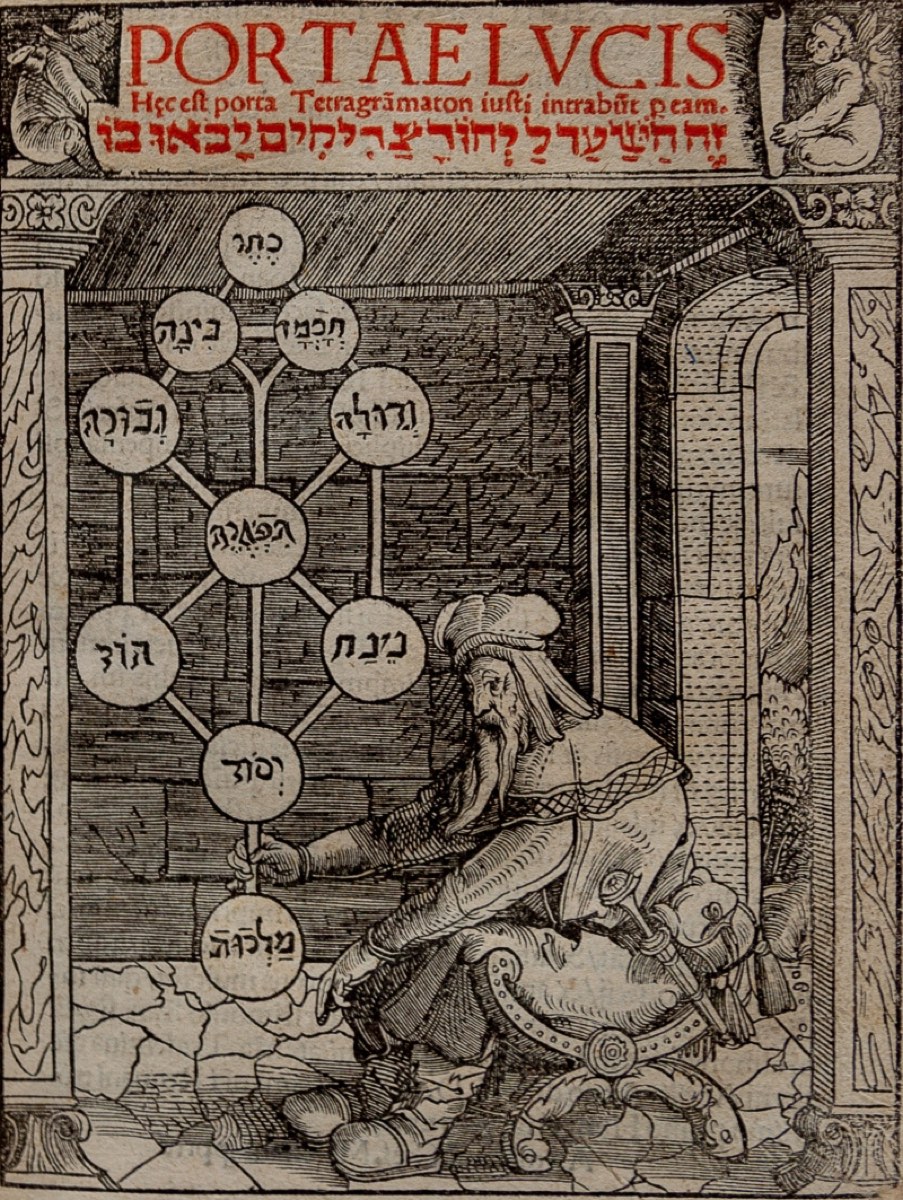
The Eye of Horus: the documentary linking Egypt to Atlantis, and what Egyptology says
The film The Eye of Horus claims that priests from Atlantis founded Egypt and created a mystery school; Egyptology does not accept the thesis.
· 4 min read · Sources

In 1 minute
- The documentary claims that survivors of Atlantis founded Egypt around 10,900 BCE and organized a society devoted to spiritual refinement.
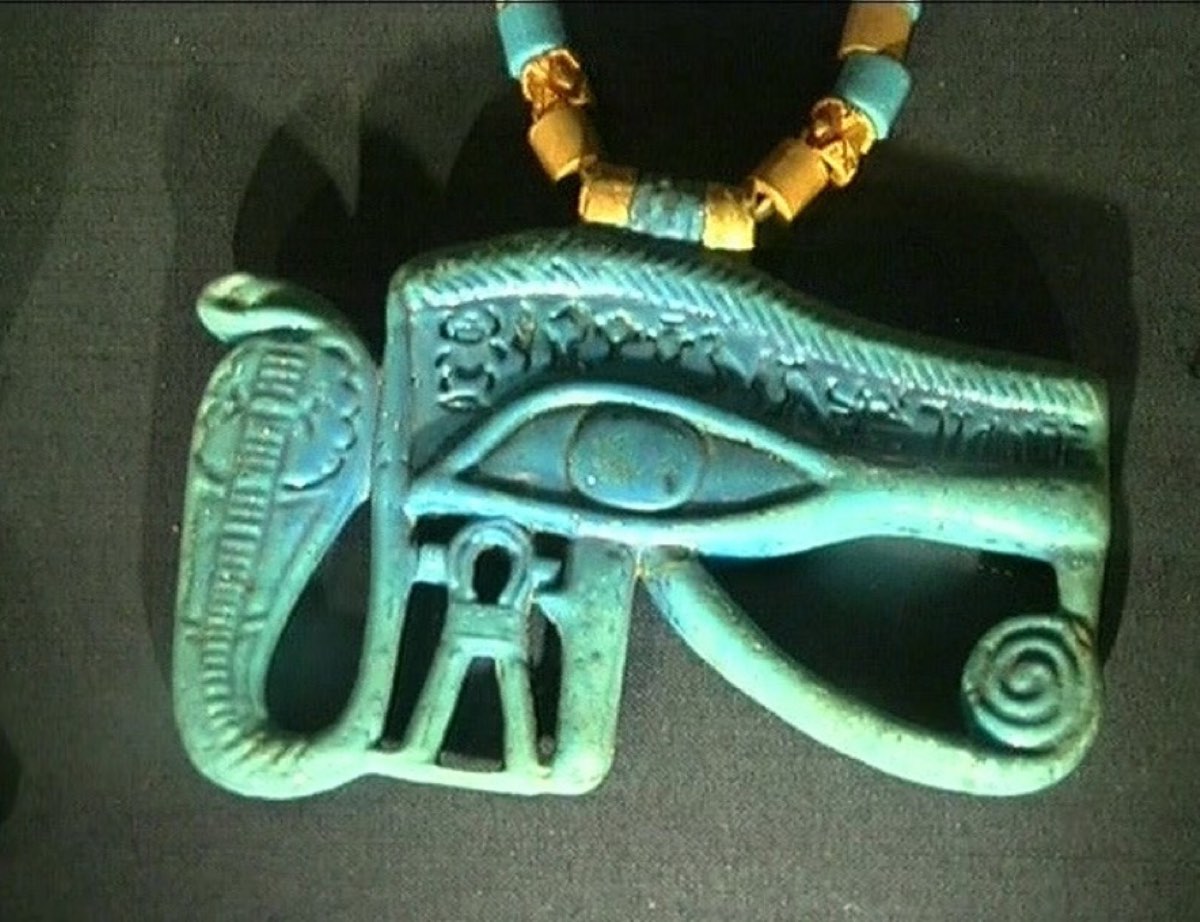
- According to the film, a priestly mystery school, tied to the symbol of the Eye of Horus, taught reincarnation, symbolism, and self-mastery in temples and pyramids.
- By Egyptology's account, the Sphinx dates to around 2500 BCE; the claims about Atlantis, quantum technology, and anti-gravity are the film's thesis, not findings of archaeology.
Full article
Before the Egypt of the pharaohs existed, a documentary claims, there was an advanced civilization that foresaw the end of its own world and fled it by boat. Its priests would have landed in the Nile valley and founded there an entire society devoted to a spiritual purpose. That is the thesis of The Eye of Horus, a film arguing that Egypt's mysteries are echoes of Atlantis.
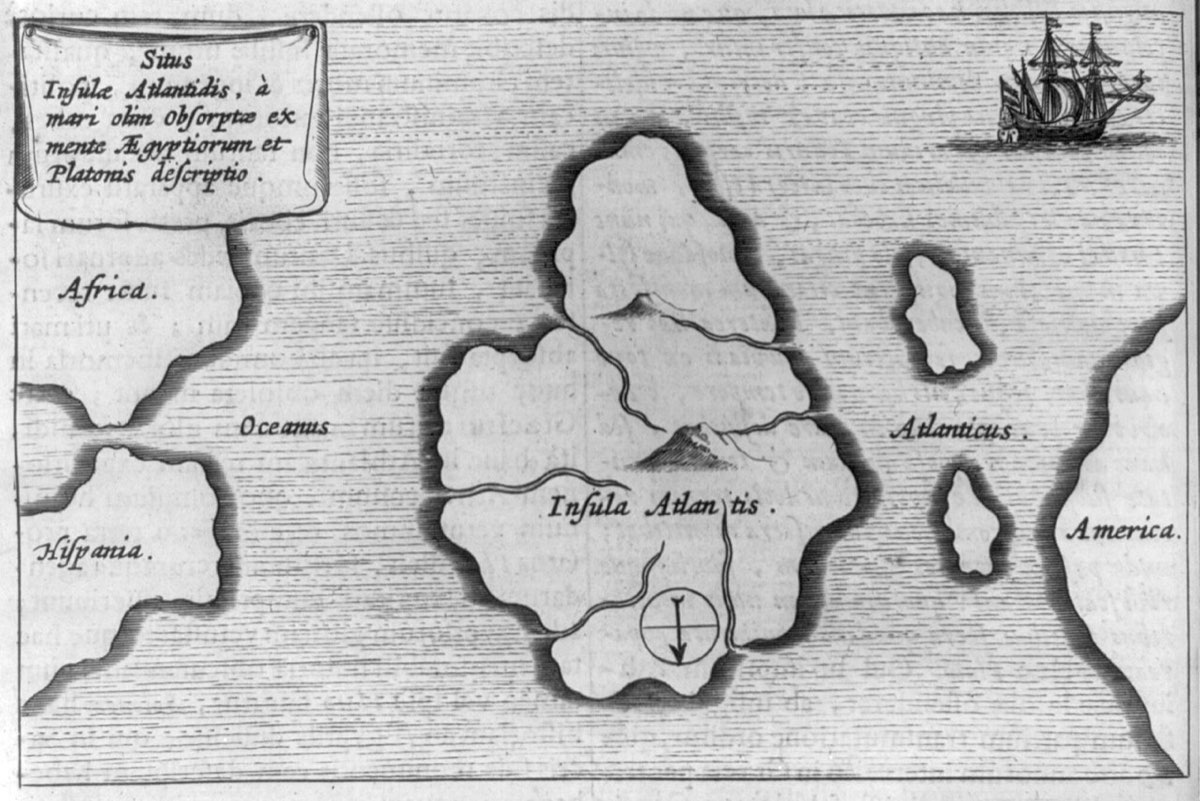
The idea has obvious appeal, and it's worth saying up front where it holds up and where it doesn't. Atlantis appears in Plato's dialogues, in fourth-century-BCE Greece, and academic Egyptology does not accept that it founded Egypt. What follows describes the film and checks its central claims against what science establishes.
The flight from Atlantis and the New Time
According to the narrative, the sages of Atlantis knew the cosmic cycles and foresaw a catastrophe. Since few believed them, they built vessels protected by electromagnetic fields. Led by the high priest Chit Ahel Vittis, they escaped just before the planet shook and the waters erased nearly every trace, around 10,900 BCE.
As evidence of lost technology, the film cites the roughly 1,200-ton monoliths of Baalbek, in Lebanon, and the foundations of the Temple in Jerusalem. In Egypt, the survivors would have called the new beginning Zep Tepi, the "First Time." The Sphinx, with its lion's body and human head, would mark the great cycles, between the Age of Leo, the time of the cataclysm, and the coming Age of Aquarius. Because it points toward the sunrise at the equinoxes, it would have been carved more than 12,000 years ago, with rain-erosion marks offered as evidence.
Here the disagreement is head-on. Mainstream Egyptology holds that the Great Sphinx was built around 2500 BCE, under Khafre, builder of the second pyramid at Giza. The film itself acknowledges that Egyptologists disagree.
Reincarnation and the mystery school
At the heart of the teaching, the film says, was reincarnation. The spirit would return many times, in a universe of opposites, where suffering and happiness, anguish and peace, would be extremes that let one perceive, by contrast, a truth in the middle: the neutrality of love. Over a cosmic cycle of 25,920 years, the spirit would live roughly 700 lives.
To preserve this knowledge, there would exist the Mystery School of the Eye of Horus, a closed organization said to have guided Egypt for millennia, behind the pharaoh's throne. Priests were chosen for their sensitivity and trained in science, art, religion, and philosophy, with emphasis on self-mastery and overcoming fear. Among the trials, the film describes crossing a submerged tunnel, in which the initiate had to control panic or start the training over.
Temples, myths, and levels of consciousness
The temples, in this reading, were living libraries and centers of transformation, each representing an organ or energy center in the country's body. Teaching had three tiers: myths and parables for the people, an explanation of the symbolism for disciples, and, for high priests, knowledge of fundamental forces and energies.
The animal-headed figures would be neteru, principles and functions of the universe rather than gods in the ordinary sense: Anubis, jackal-headed, would symbolize guidance; Horus, falcon-headed, sharp vision. The story of Osiris, dismembered and reassembled by Isis, would portray the soul's quest for enlightenment. The film also describes five levels of consciousness, from animality to sahu, the goal of the reincarnational process.
Pyramids as machines
The most controversial part concerns technology. The film claims the pyramids, especially at Saqqara and Giza, were "quantum machines" that converted Earth's vibrations into energy. It speaks of a capacity to nullify gravity to move stones, and of formulas for a polymer concrete cited in hieroglyphs on the island of Sehel.
The Saqqara complex, designed by Imhotep, would have 11 underground galleries and 40,000 alabaster and crystal vessels vibrating on the note F, to generate resonance, and Nikola Tesla would have drawn on these principles. None of these claims has support in archaeological or physical evidence.
What remains of Egypt
In the film's narrative, the civilization flourished for millennia in harmony, until Cambyses destroyed the temples and eliminated the high priests, and Alexander the Great restored part of the knowledge by rebuilding temples based on Imhotep's plans. The moral is one of an interconnected universe, in which life is a school for the evolution of consciousness, from the near-animal being to the "superman."
What the film leaves open is the question of how to decipher what the stones of Giza and Saqqara hold. Egyptology's answer, built on excavation, inscription, and dating, is slower and less spectacular, but it's the one that can be checked.
Sources and references for this article
The Eye of Horus, full film (documentary)
Atlantis, WikipediaGreat Sphinx of Giza, WikipediaTranslated from Portuguese. This article was rewritten from a post on the original blog, in Portuguese. Read the original
Get the best articles of the week
One email a week, no spam. Unsubscribe anytime.
Read next
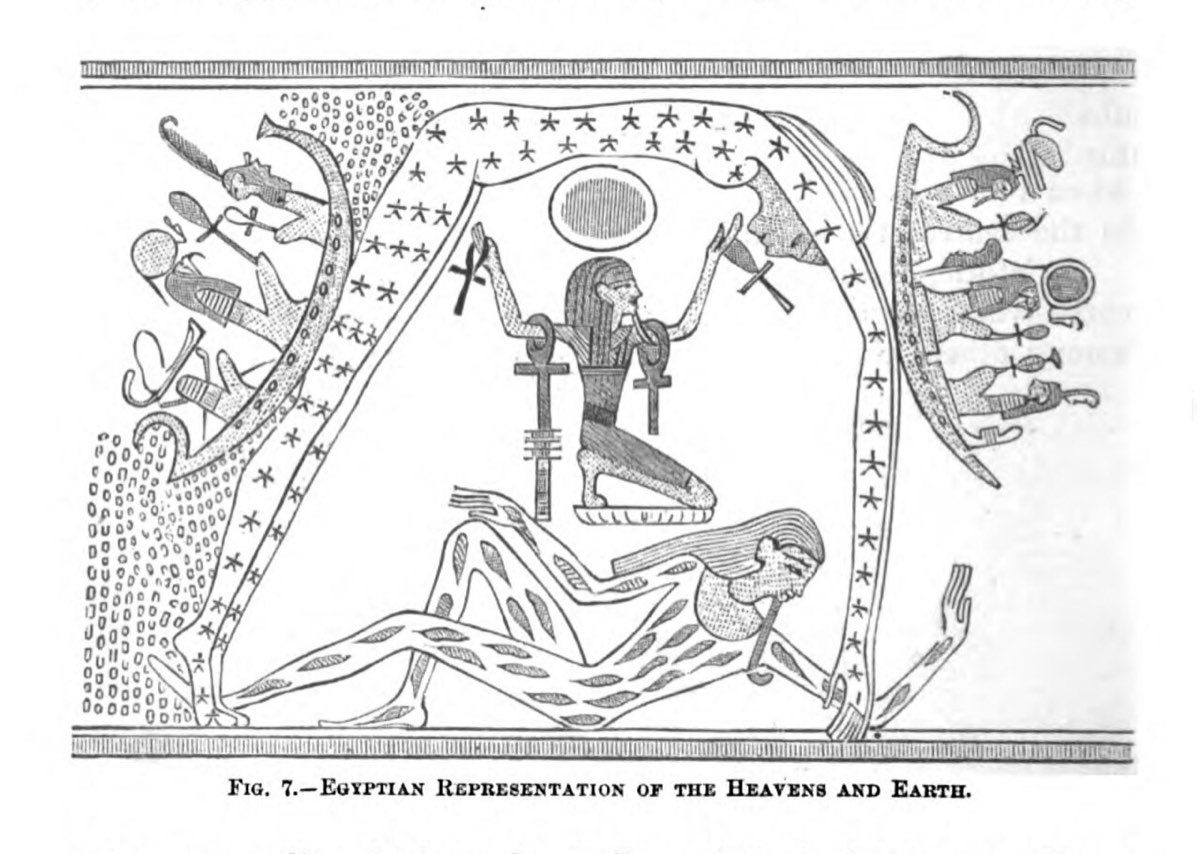 Western esotericismOsiris, Isis, and Horus: the Egyptian myth that explains the harvest, death, and kingship
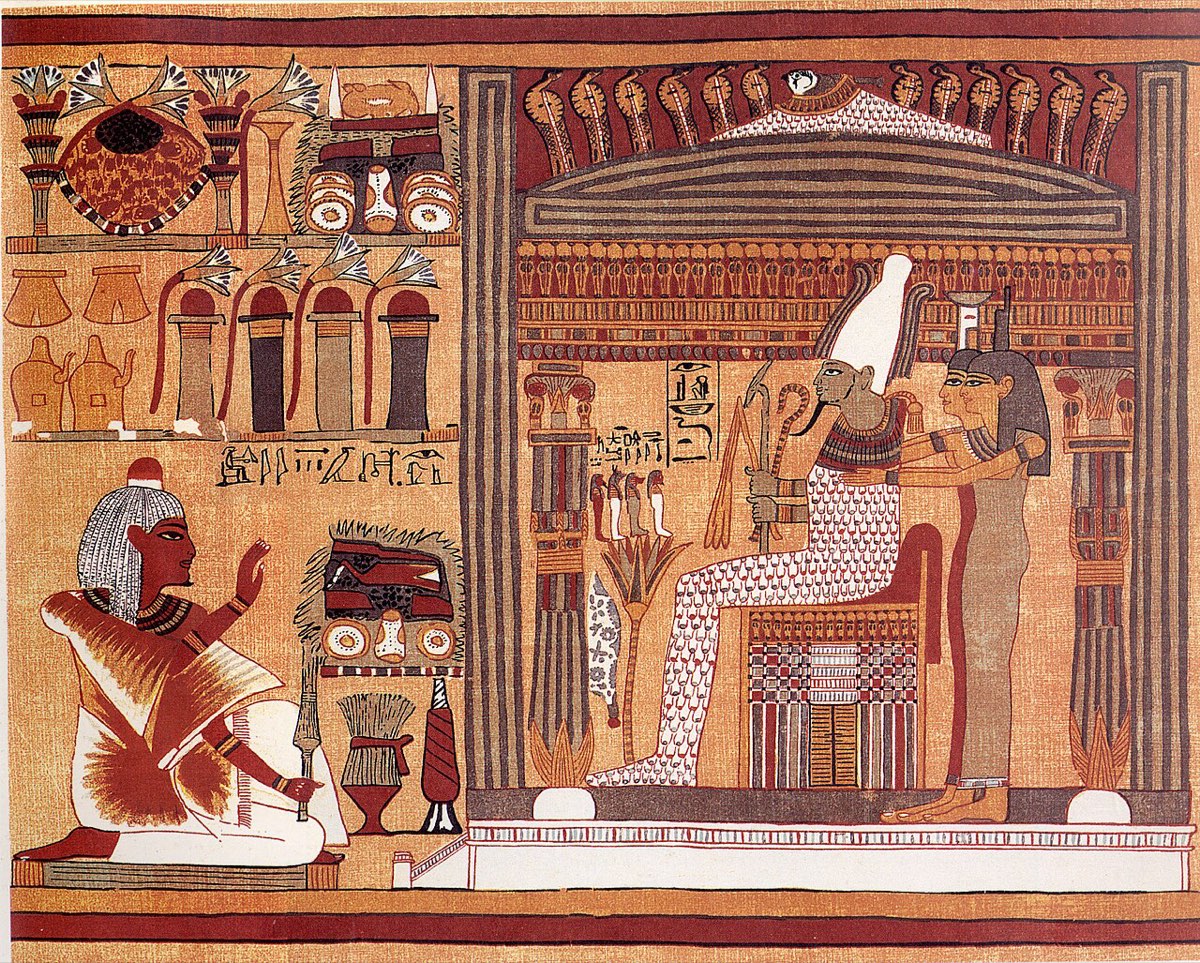 Western esotericism · VideoAtlantis, seven races, and ancient gods: an esoteric history of humanity
 Indigenous peoples · VideoHoly Nada: the Andean ceremonies trying to reconnect the world to Earth's rhythms
 Indigenous peoples · VideoFor a Māori healer, returning the placenta to the earth is the first debt owed to the Mother
 Western esotericism · VideoKabbalah in one hour: Gil Sheer's claim that it is a method, not a religion