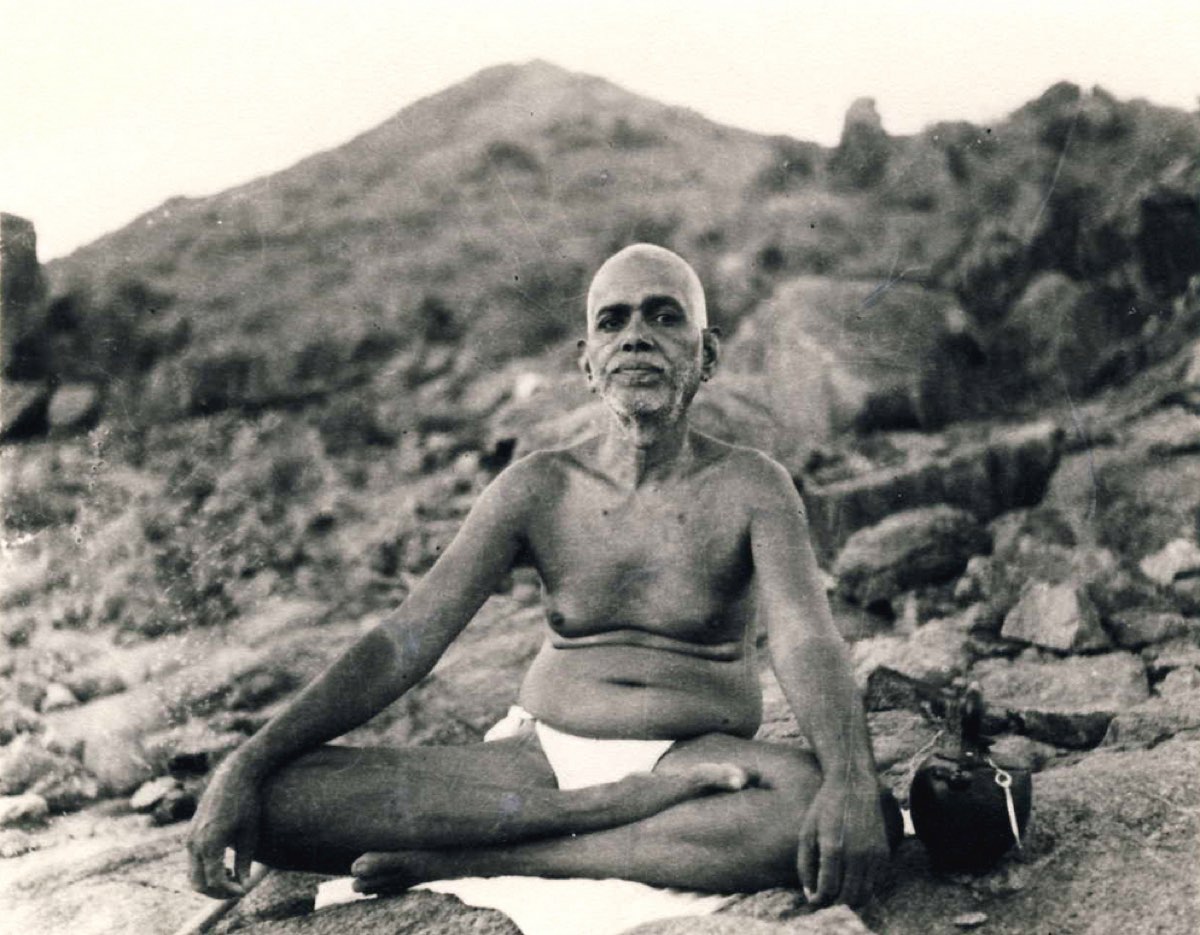
Katha Upanishad: the young Nachiketas and the question Death tried to dodge
In the Katha Upanishad, a young man asks Yama, lord of death, to reveal what exists after the end; the answer is the doctrine of ātman, the Self that does not die.
· 3 min read · Sources
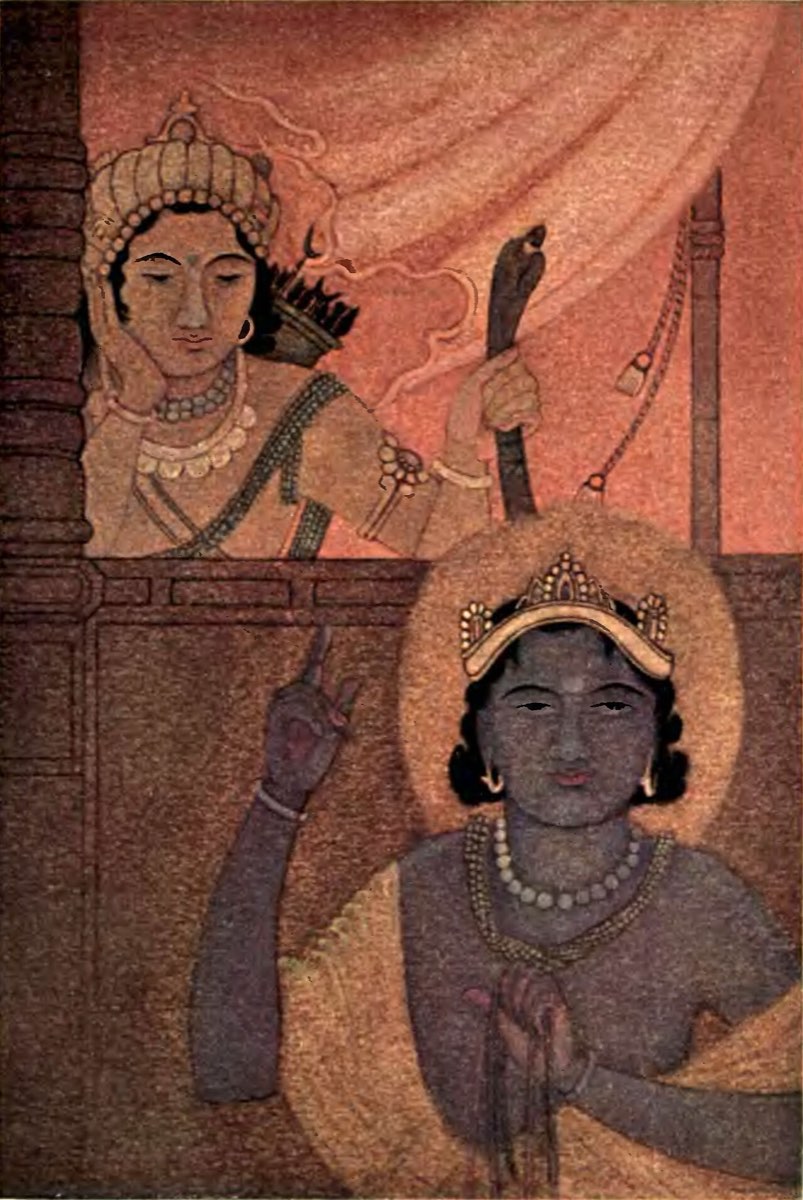

In 1 minute
- The Katha Upanishad, an Indian text in verse and dialogue, narrates the meeting between young Nachiketas and Yama, the lord of death, who offers him three wishes.
- The third wish is to know what happens after death, and Yama tries to dissuade him with riches and pleasures, which the young man refuses.
- The text's answer is that the ātman, the true Self, is neither born nor dies, and is known only through a valid means of knowledge, not through the senses.
Full article
A boy is handed over to Death by his own father, in a moment of irritation, and instead of running he goes and knocks on her door. That is how the Katha Upanishad begins, one of the most widely read texts of Vedānta. The dialogue between young Nachiketas and Yama, lord of death, starts from a question that crosses cultures: is there something in us that death does not reach?
The work belongs to a family of Indian texts, the Upanishads, which discuss the nature of the self and of reality. Researcher Glória Arieira, who presents the Katha in a popularizing text, highlights the symbolic clarity and poetic force of the narrative. What she offers as the answer given to the boy helps make sense of a central idea of the Indian tradition, that of the ātman, the Self that does not die.
A text nearly two thousand years old
The Katha Upanishad is one of the principal Upanishads, included in the Kaṭha school of the Black Yajurveda. It has two chapters, each divided into three sections, written in verse and in the form of a conversation between teacher and disciple. The chronology is debated, and the most commonly cited dating places it between the fifth and first centuries BCE. The first part is considered older than the second.
The Upanishads are known as Vedānta, "the end of the Vedas," and deal with self-knowledge more than with external ritual. The Katha is among the ten principal Upanishads commented on by Adi Śaṅkara, and was translated into Persian in the seventeenth century, from which it reached Europe. In the West, philosophers such as Schopenhauer praised it.
The boy and Death
Nachiketas notices that his father, in a ritual, is giving away old cows, an inadequate offering. He questions him about it several times, until the father, irritated, "offers him to Death," in a symbolic sense. The young man accepts his fate and goes to meet Yama.
Yama is away for three days. On returning and finding his visitor waiting without food or sleep, he is impressed and grants him three wishes. The third is the heart of the work: Nachiketas wants to know what happens after death and what is immortal in each person.
The temptation and the refusal
Yama resists. He offers wealth, pleasures and a long life. Nachiketas refuses it all, because he wants only the truth about what lies beyond death's reach. The scene is a test, and the refusal shows that the disciple is ready for the answer.
The Self that does not die
The teaching Yama offers, in Arieira's reading, is that the true Self, the ātman, is not born, does not die and cannot be destroyed. It would stand behind seeing, hearing and thinking, and would be the only permanent reality, the core of every being.
Yama explains that the senses were made to face outward, which is why people seek pleasure in objects. Only a rare person closes their eyes to the outside, in the Sanskrit term avṛtta-cakṣus, and seeks themselves. That is the spiritual journey, and the text compares it to a razor's edge, a thin and difficult path, the only one that leads to liberation, mokṣa.
Everything perceived, sounds, shapes, tastes and touches, is perishable. What is imperishable is that which makes perception possible and remains even when everything else disappears. That Self cannot be reached by the senses or by ordinary logic. According to Arieira's reading, only a pramāṇa, a valid means of knowledge, reveals it, and that is what the Upanishad offers.
Two possible readings
The tradition is not unanimous about the meaning of the verses. They have been interpreted both as dualist and as non-dualist, that is, as arguing for a difference between the self and the absolute, or for their identity. The reading presented here is that of Advaita, Śaṅkara's school.
Why the text endures
The value of the Katha lies in its imagery: Death becomes a teacher, the young man becomes a sage, and the goal is not to abandon the world but to see through it. It is a call to discernment and to the courage to seek what is eternal, made by a text that, in the question of a teenager, sums up one of the oldest doubts there is.
Sources and references for this article
Katha Upanishad
Glória Arieira, text on the Katha Upanishad (Espaço Consciência)Katha Upanishad, English Wikipedia (structure, dating and interpretations)Upanishads, WikipediaTranslated from Portuguese. This article was rewritten from a post on the original blog, in Portuguese. Read the original
Get the best articles of the week
One email a week, no spam. Unsubscribe anytime.
Read next
 Vedanta and YogaGita, lesson 16: belief isn't knowledge, and the Veda as a mirror of the Self
 Vedanta and YogaThe value of values: why Vedānta begins by preparing the mind
 Science and consciousnessVedānta and quantum physics: what the observer has to do with reality
 Western esotericism · VideoThe All is Mind: the universe as a mental creation, according to Hermeticism
 Vedanta and Yoga · VideoWhat Dies When Someone Dies? The Answer from Ramana Maharshi and Advaita Vedanta