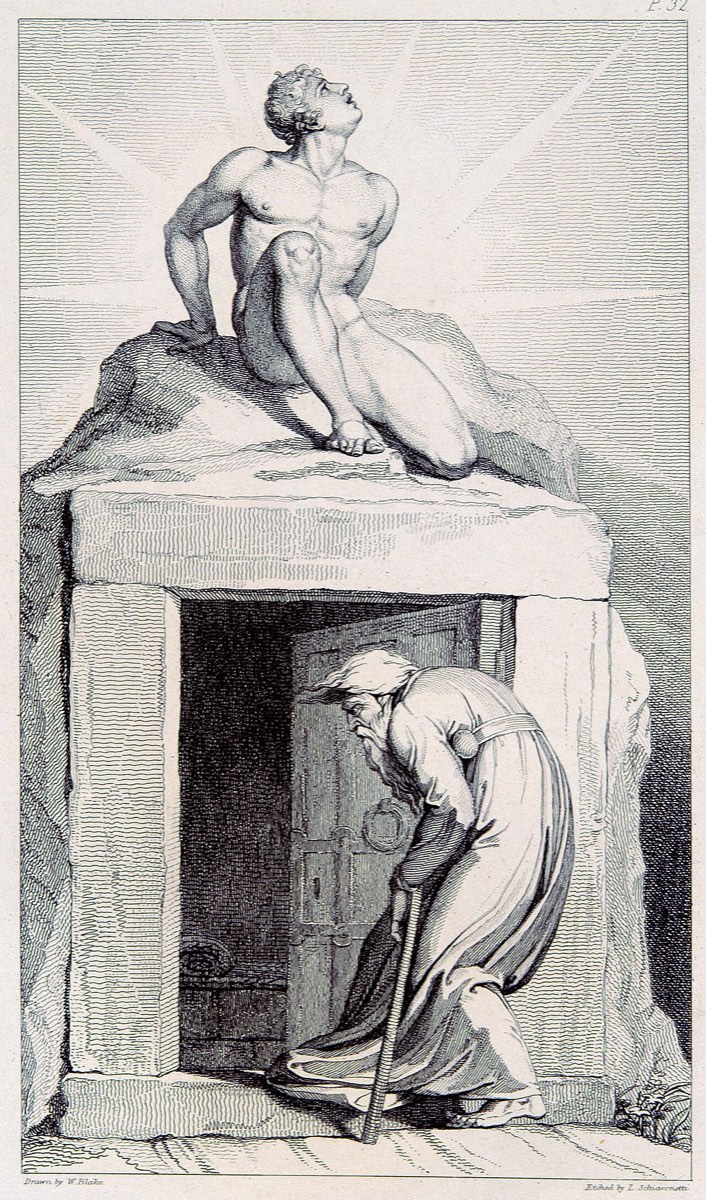
Blessed are the poor in spirit: why Kardec sees humility, not ignorance
Kardec reads “poor in spirit” as those free of pride, and argues that on the spiritual plane only cultivated virtues count, not rank or fortune.
· 3 min read · Sources

In 1 minute
- In Kardec's reading, “poor in spirit” means humble and free of intellectual vanity, not ignorant.
- He argues that only virtues accompany the Spirit after death, and that the proud would reincarnate into humble positions in order to learn.
- Life after death, reincarnation and messages from Spirits are claims of Spiritist doctrine, without proof.
Full article
"Blessed are the poor in spirit" sounds, on first reading, like praise for ignorance. It has often been read that way, and Allan Kardec devotes chapter 7 of The Gospel According to Spiritism to clearing up the mistake. For him, Jesus's words in the Sermon on the Mount are not about fools, but about those free of pride.
The ideas about life after death, reincarnation and messages from Spirits belong to Spiritist doctrine, which treats them as truth and which cannot be proven.
Humility, not ignorance
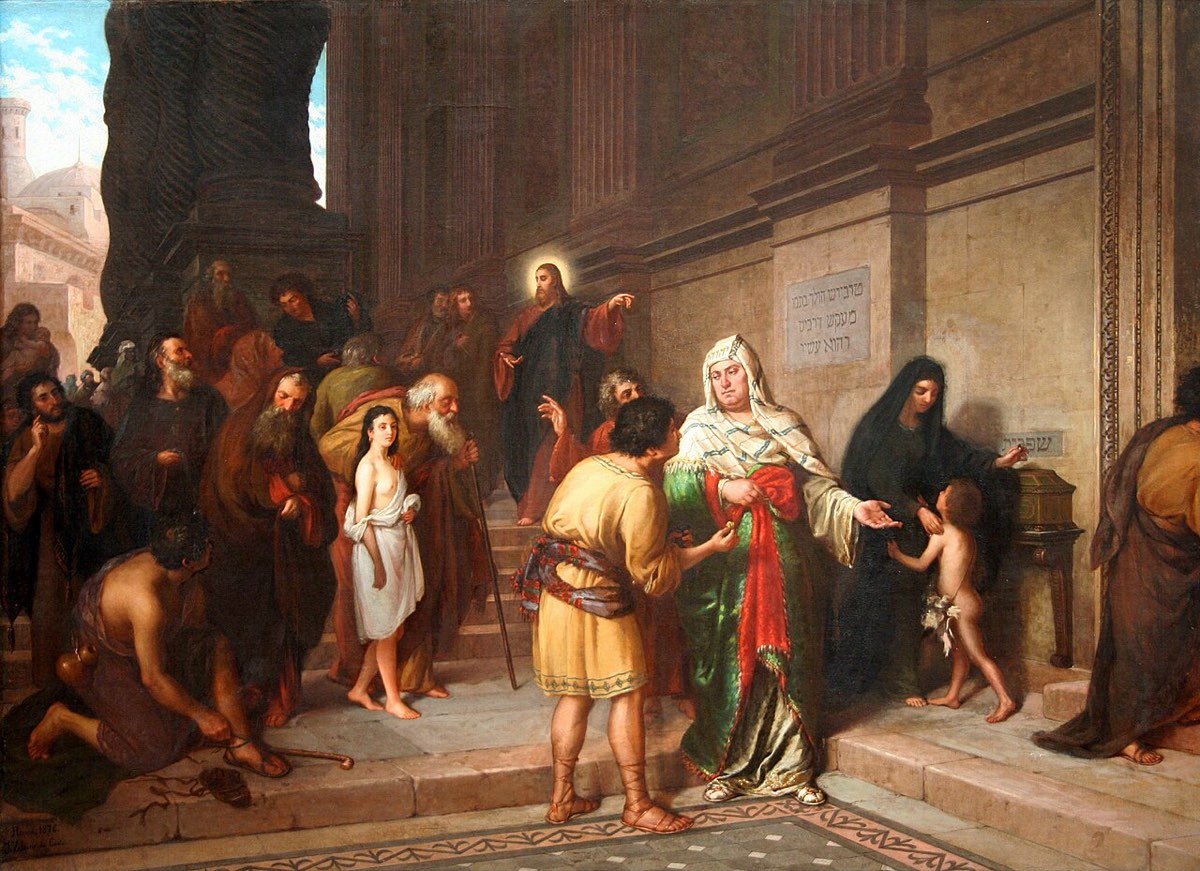
In Kardec's reading, "poor in spirit" means someone humble and free of intellectual vanity. Jesus does not glorify ignorance; he praises simple hearts, able to receive divine truths.
The contrast lies in the pride of knowledge. The wise of this world, the chapter says, often consider themselves above the very idea of God, reject what they cannot prove, mock what they do not master, and trust themselves more than Providence. The warning holds: whoever exalts themselves will be humbled, and whoever humbles themselves will be exalted.
What one takes from life
According to Kardec, the greatness that matters on the spiritual plane follows a different standard than Earth's. Rank, money, fame and noble birth would lose all meaning after death. The only wealth a Spirit would carry is that of its cultivated virtues: humility, charity and self-denial. Everything else stays in the grave.
The figure Jesus chooses is the child. Whoever does not become as small as a child will not enter the Kingdom of Heaven, and the greatest is the one who becomes a servant to all. The child represents the ideal of someone who seeks not to rise above others or to be served, but to serve.
Pride and reincarnation
The chapter adds an explanation of its own to the doctrine. The proud of the Earth would reincarnate many times into humble positions, to learn to put themselves in another's place, to need help, and to recognize where true greatness lies. Whoever seeks the first place on Earth, the text warns, risks ending up in the last.
Jesus thanks the Father for having revealed his mysteries to the simple and the small, rather than to the wise and the prudent. Kardec sees in this a message about intellectual pride as a barrier to spiritual progress. The proud demand that God prove his existence on their own terms; the humble sense the divine in the stillness of the soul and in whatever is beautiful in life.
What the Spirits say
Among the messages gathered in the chapter, one attributed to the Spirit Adolphe, presented as the Bishop of Algiers, criticizes the pride of elites who confuse wealth with spiritual merit. For him, true nobility lies in charity and humility. The messages also state that humility is the foundation of the other virtues, that pride corrupts the heart and clouds the intelligence, and that the greatest souls are often the ones who suffer in silence, in poverty and daily struggle.
Another, attributed to the Spirit Ferdinand, speaks to scholars. Intelligence, it says, is a mission entrusted by God, meant to lift others up rather than humiliate them. Whoever uses it to destroy faith would lose the spiritual reward, since God can take back what he gave.
The chapter's conclusion
Kardec and the Spirits conclude that true wisdom is humble, that real greatness is moral, and that the Kingdom of Heaven belongs to whoever recognizes that nothing exists of itself and owes everything to God. For the chapter, Christ's call is to step down from the pedestal of pride in order to rise, in spirit, to the light.
Sources and references for this article
Allan Kardec, The Gospel According to Spiritism, chapter 7
The Gospel According to Spiritism, Wikipedia (published in Paris, April 15, 1864)Sermon on the Mount, Wikipedia (Matthew 5–7)Translated from Portuguese. This article was rewritten from a post on the original blog, in Portuguese. Read the original
Get the best articles of the week
One email a week, no spam. Unsubscribe anytime.
Read next
 Death and beyondHow Allan Kardec tested spirit messages and assembled the Spiritist codification
 Death and beyond · VideoAllan Kardec's “testament”: what is known and what is narrative
 Vedanta and YogaGita, lesson 20: consciousness isn't in the world, the world is in it
 Accounts and channelings · VideoWho are you without your name? A talk on social identity and the "higher self"
 Death and beyond · Video"Dying is changing clothes": what Laércio Fonseca says about the afterlife