Blind or reasoned faith: Kardec on the promise of moving mountains
Kardec reads Jesus's promise about faith as a force that overcomes moral obstacles, and argues for a reasoned faith that can face reason.
· 3 min read · Sources

In 1 minute
- For Kardec, the mountains in Jesus's promise symbolize moral difficulties, which only an active, enlightened faith would help overcome.
- He distinguishes blind faith, which adopts dogmas without examining them, from reasoned faith, which "withstands the light" and grows from it.
- Faith cannot be imposed, only cultivated; what blocks it would be pride, fear of change, and attachment to habit. Fluids and cures are doctrine.
Full article
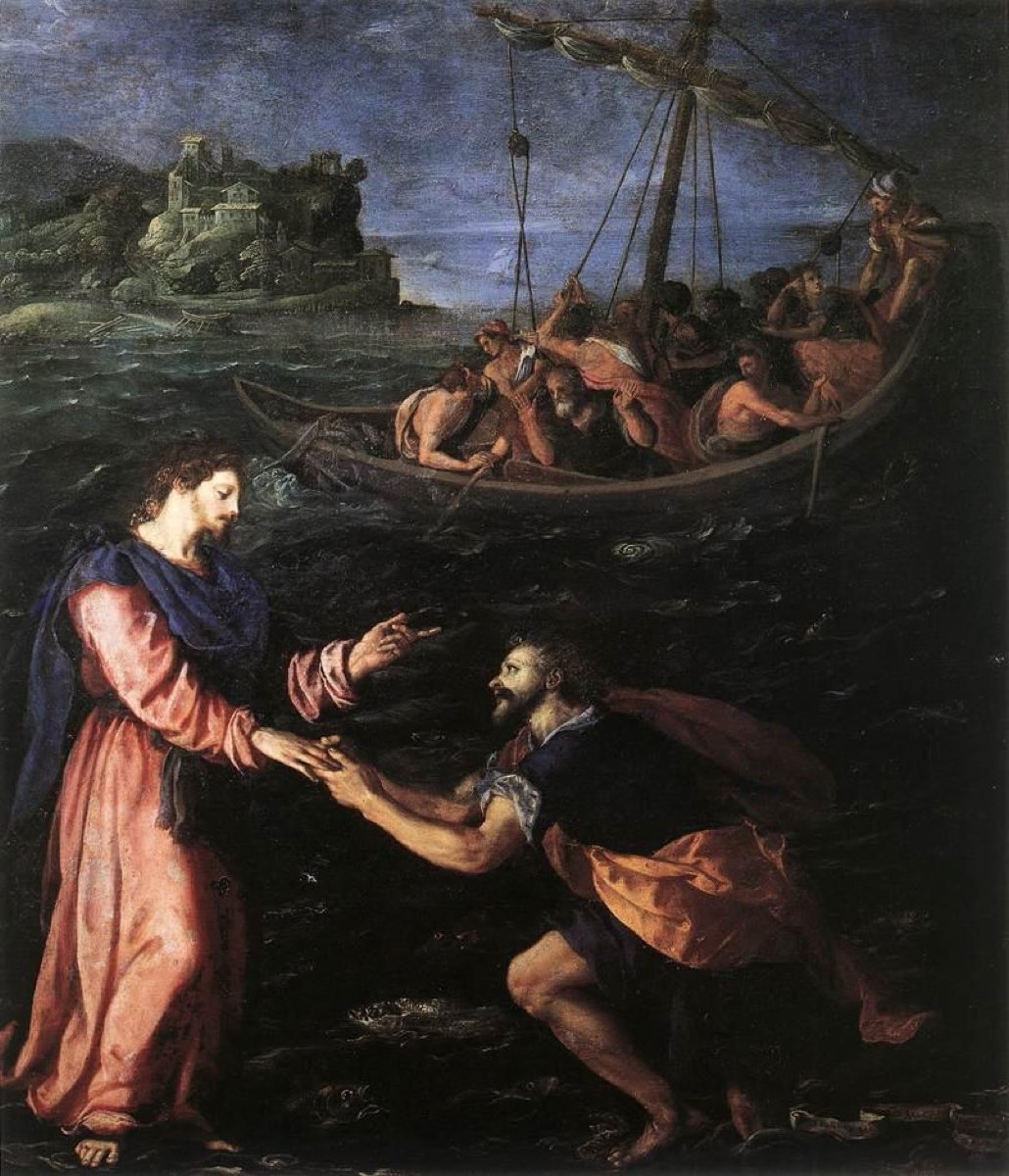
Whoever has faith the size of a grain of mustard seed will tell a mountain to move, and the mountain will move. The promise, attributed to Jesus in Matthew 17, is one of the most quoted and one of the hardest to take literally. No one expects a mountain to change location. So what does the saying mean?
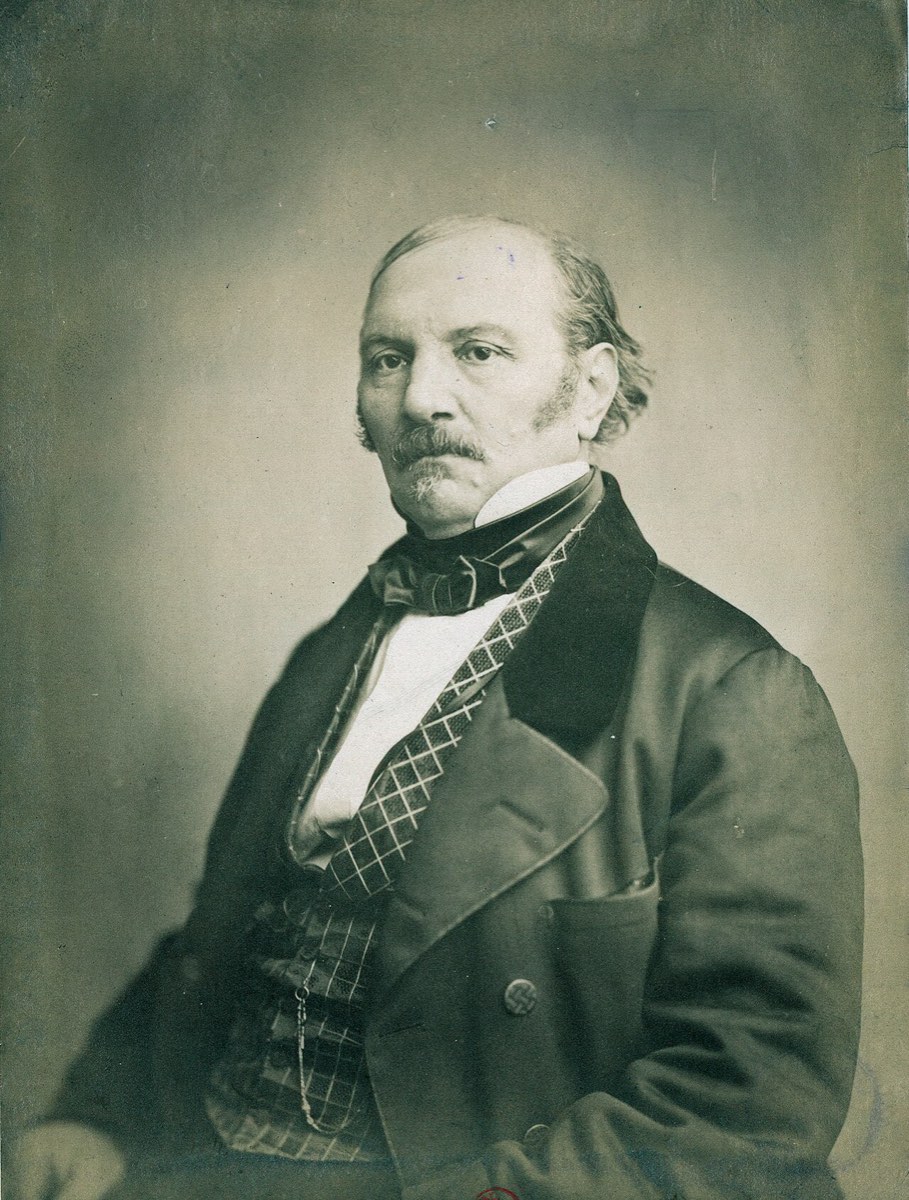
Allan Kardec, the French educator who systematized Spiritist doctrine in the nineteenth century, answers in chapter 19 of The Gospel According to Spiritism (1864), reading the image in a symbolic sense and asking what kind of faith has this power and how one arrives at it. The chapter brings together Kardec's reading and messages attributed to spirits. The claims about the universal fluid, cures, and miracles are beliefs of Spiritist doctrine, and are not presented here as proven facts.
Everyone's own mountains
For Kardec, the mountains represent moral difficulties: vices, selfishness, passions, prejudice, and other people's resistance. Active, enlightened faith provides the energy, courage, and perseverance to overcome them. Hesitant faith, or merely verbal faith, paralyzes and makes defeat easier. True faith is calm and patient, the chapter says, because it is born of an intelligent understanding of life.
True faith also should not be confused with presumption. The former is humble and recognizes God as the source of its power; the latter trusts only the ego and ends in failure. The believer, in this view, is the instrument of a greater will, never a vain conqueror of nature.
Faith as force
The chapter attributes to faith an action on what the doctrine calls the universal fluid, which it would direct with will, intention, and confidence. Cures and other effects would come from this action, without violating natural laws. Kardec recalls that Jesus attributed a lack of healing to insufficient faith. One of the spirits cited sums up the idea in a sentence: miracles would be natural effects of laws still poorly understood.
Here the analysis calls for caution. The universal fluid is a concept of the doctrine, part of its explanation of the world, not the result of research. What can be read without that assumption is the moral argument: the idea that conviction and perseverance help in facing obstacles.
Blind or reasoned
Kardec distinguishes two kinds of faith. Blind faith adopts dogmas without examining them, feeds fanaticism, and cannot withstand the advance of reason. Reasoned faith rests on logic and observation, faces reason head-on without fear, and so endures. "True faith withstands the light," he writes, and grows greater with it.
This is the chapter's most original distinction, because it defends a belief that accepts being examined. In chapter 21 of the same book, the idea returns as a method: compare messages, demand coherence, and reject what contradicts reason.
How to acquire it
Faith cannot be imposed, but it can be cultivated. According to the chapter, those who say they want to believe and cannot often reject, deep down, the commitment faith demands. Pride, fear of change, and attachment to material habits are the most common barriers. Whoever seeks it with a sincere heart and humility, the text says, receives it.
The withered fig tree
The episode in which Jesus curses a fruitless fig tree, told in Matthew 21, is read by Kardec as a symbol of moral sterility: apparent virtue without works, empty doctrines, fine words without action. It also applies to mediums and spiritual workers who divert their gifts toward vanity, frivolity, or personal interest.
What the spirits say
In a message attributed to the spirit Joseph, faith is the basis of all virtues, sustains hope, feeds charity, and should be active and watchful. A second message describes it as a natural force of the soul, latent in everyone: divine when turned toward the eternal, human when it moves someone to accomplish great deeds in the world.
Knowing why one believes
The chapter closes with a request that works as a summary: know why you believe, why you love God, and where the good you pursue leads. Professing faith with words is not enough, it says; one must live it in acts, with firmness, humility, and intelligence. Faith imposed by force dies, and the faith born of understanding and love transforms.
Sources and references for this article
_O Evangelho segundo o Espiritismo_ (The Gospel According to Spiritism), Allan Kardec, chapter 19
The Gospel According to Spiritism, Wikipedia (1864 publication and overview)Allan Kardec, WikipediaMatthew, chapter 17 (faith as a grain of mustard seed), Almeida Corrigida Fiel BibleMatthew, chapter 21 (the withered fig tree), Almeida Corrigida Fiel BibleTranslated from Portuguese. This article was rewritten from a post on the original blog, in Portuguese. Read the original
Get the best articles of the week
One email a week, no spam. Unsubscribe anytime.
Read next
 Death and beyondKardec, Socrates, and Plato: the morality of Christ separated from dogma in the Spiritist Gospel
 Death and beyond · VideoAllan Kardec's “testament”: what is known and what is narrative
 Vedanta and YogaGita, lesson 20: consciousness isn't in the world, the world is in it
 The EastThe Book of Mirdad: Mikhail Naimy's parable on the self, silence, and the word
 Death and beyond · Video"Dying is changing clothes": what Laércio Fonseca says about the afterlife