Honoring Father and Mother: What the Fifth Commandment Asks, According to Kardec
For Allan Kardec, honoring one's parents is a duty of support and gratitude, and the family that counts is one of spiritual affinity, not blood alone.
· 3 min read · Sources
In 1 minute
- Kardec reads the commandment as an application of charity: material support, affection, and companionship for parents, especially in old age.
- He says the promise of a long life on Earth answered to what the Hebrews could understand at the time, and that with Jesus, the kinship that matters is spiritual.
- Under Spiritist doctrine, conflicts between parents and children can stem from past lives, and parents should raise children with affection and firmness.
Full article
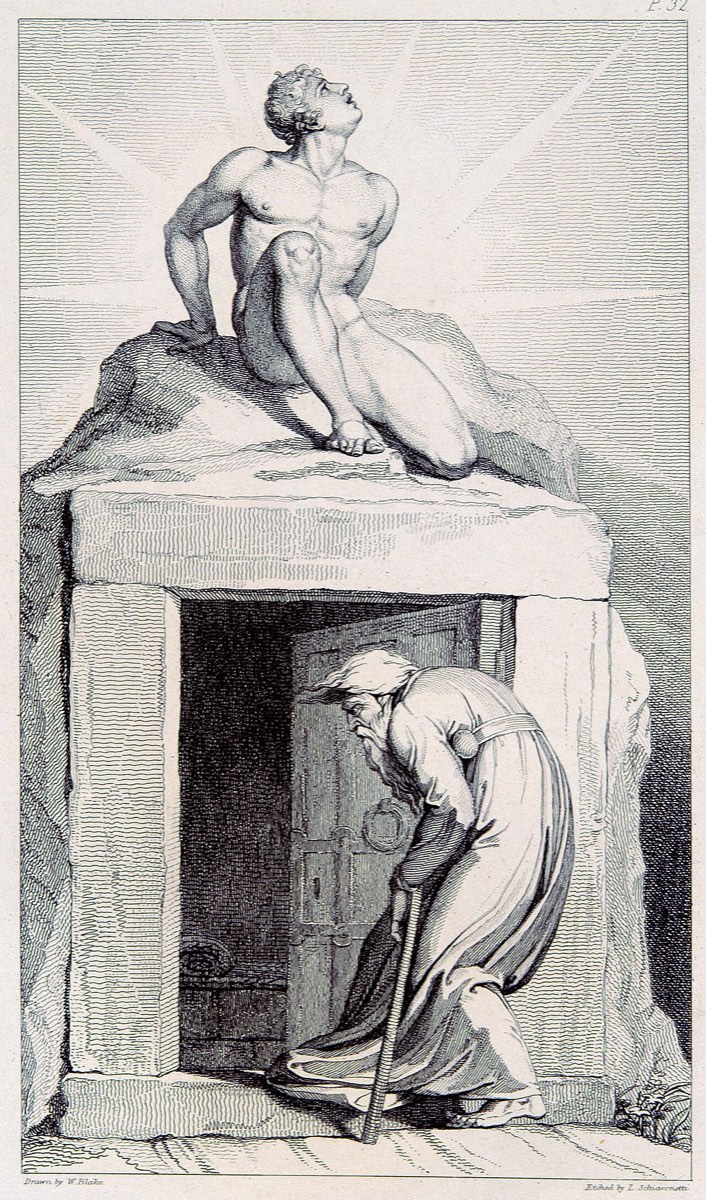
Among the Ten Commandments, the one to honor father and mother is the only one that comes with a promise: long days upon the earth. The text is found in Exodus, chapter 20, and for that very reason it puzzles readers. Why such an earthly reward? And what, exactly, does honoring mean?
Allan Kardec, the French educator who systematized Spiritist doctrine in the nineteenth century, devotes chapter 14 of The Gospel According to Spiritism, a book published in Paris in 1864, to these questions. The chapter mixes Kardec's own reading with messages that, within the doctrine, would come from spirits. Reincarnation and so-called spiritual families are teachings of Spiritism, presented here as such, not as proven facts.
More than the bare necessities
Kardec treats the commandment as a direct application of love for one's neighbor, with respect, obedience, and gratitude added to it. That asks for more than affection. It asks for material and moral support, repayment of the care received in childhood, and attention to parents' old age, loneliness, and illness, not limited to bare necessity but extending to small joys and emotional comfort as well.
The chapter is harsh on ingratitude. Many children, it says, think they have done their duty simply by keeping their parents out of poverty, while relegating them to undignified rooms, with no affection, and demanding household chores from them in exchange for their presence. The mother who never charged for the care she gave would receive coldness and abandonment in return. Even when parents fail, judgment belongs to God, and disrespecting them would be graver than disrespecting a stranger.
Why the reward is life on Earth
Kardec poses the puzzle and answers it historically. At the time the commandment was given, he states, the Hebrews had no notion yet of a future life, and the promised land was the people's greatest aspiration. The language, in this view, was adjusted to that understanding.
With Jesus, the promise shifts. The inheritance becomes spiritual, which Kardec ties to the line “My kingdom is not of this world.” It is an example of a method that runs through the book: rather than discard the old text, Kardec historicizes it and rereads it in light of the idea that life continues after death.
Who is my mother, who are my brothers
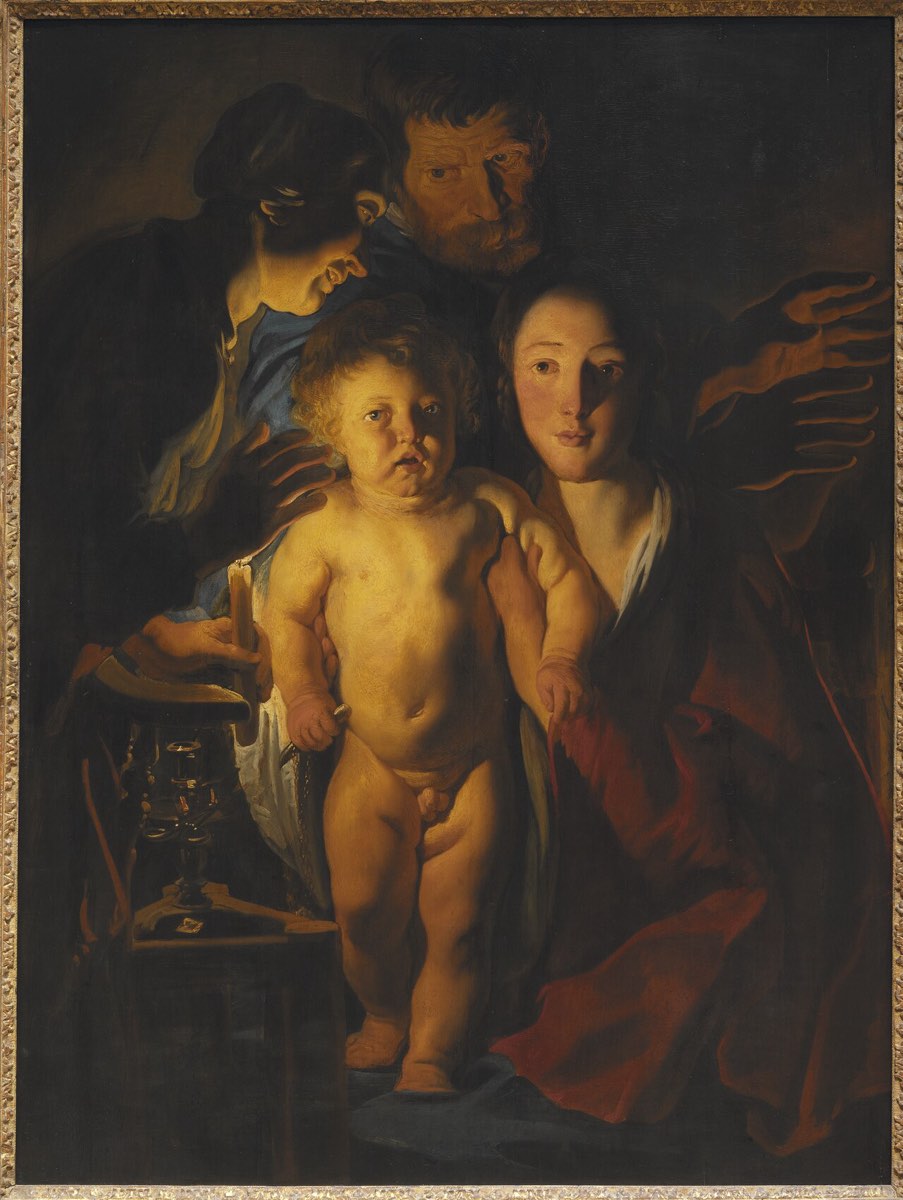
The chapter comments on the episode, recounted in Matthew, in which Jesus, told that his mother and brothers were looking for him, answers that mother, brother, and sister are those who do the Father's will. Kardec rejects the idea of contempt for family and reads the scene as an allegory of spiritual bonds, which he distinguishes from bodily kinship.
From this come two kinds of family, according to the spirits cited. Spiritual families are born of affinity, progress, and mutual love; they endure and meet again across several incarnations. Bodily families form out of physical convenience and dissolve over time, lacking a lasting moral bond. Two people, then, can be closer as spirits than as blood relatives. The thesis would shift filial duty away from blood and toward the relationship actually lived.
Reincarnation and conflict at home
The doctrine explains instinctive antipathies between parents and children through past lives. Spirits who once hated each other could reincarnate together to repair the past and learn to love. The home would be the ground for reconciliation, and a child's ingratitude, at times, the echo of something still needing correction. It is an explanation that cannot be tested: it stands as the doctrine's belief, not as demonstration.
Those who raise children also answer for it
The instructions attributed to the spirits also turn to parents. Ingratitude, they say, is born of selfishness, and within the home it takes on greater cruelty. Whoever reincarnates brings tendencies, virtues, and regrets that surface early. It falls to parents to raise children with affection and firmness, to confront vices as soon as they appear, and to remember that the spirit entrusted to them is a soul on a moral journey.
Many parents, out of weakness or neglect, feed their children's innate flaws. When they do everything they can and still fail, the chapter states, their conscience remains at peace, and the work can be completed in another lifetime.
The conclusion shifts the question asked at the start. Honoring father and mother stops being merely a rule about the elderly and comes to describe a family built by moral choice: the family of those who love, raise, and help one another, whether bound by blood or not.
Sources and references for this article
_The Gospel According to Spiritism_, Allan Kardec, chapter 14
The Gospel According to Spiritism, Wikipedia (published in 1864, overview)Allan Kardec, WikipediaExodus, chapter 20 (the Ten Commandments), Bíblia Almeida Corrigida FielMatthew, chapter 12 (“who is my mother, and who are my brethren”), Bíblia Almeida Corrigida FielTranslated from Portuguese. This article was rewritten from a post on the original blog, in Portuguese. Read the original
Get the best articles of the week
One email a week, no spam. Unsubscribe anytime.
Read next
 Death and beyondHow Allan Kardec tested spirit messages and assembled the Spiritist codification
 Death and beyond · VideoWhat souls do after death, in a Spiritist view: work, study, and service
 Accounts and channelings · VideoLeaving the valley: Jeshua's channeled explanation for the weight of family
 Vedanta and YogaGita, lesson 20: consciousness isn't in the world, the world is in it
 Death and beyond · Video"Dying is changing clothes": what Laércio Fonseca says about the afterlife