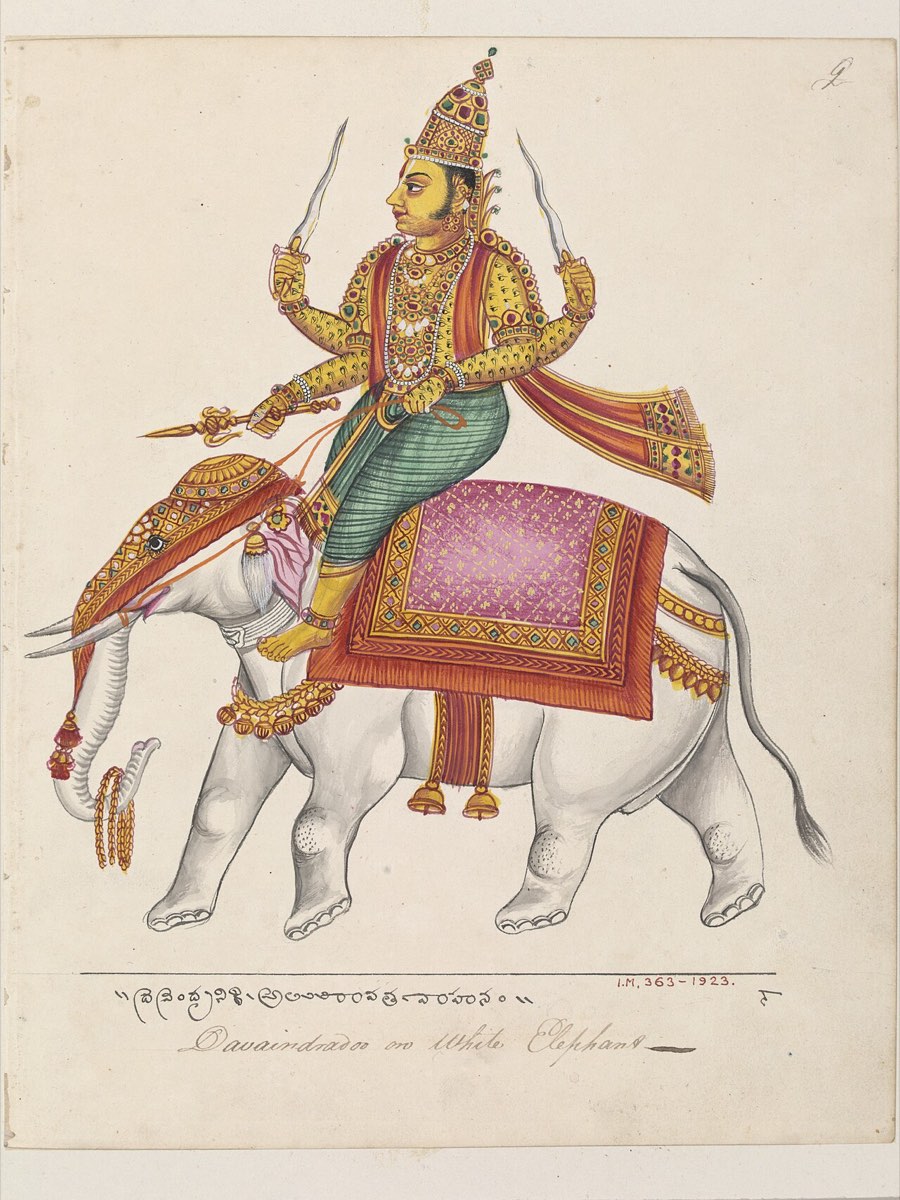
Gita, lesson 11: moha, the confusion that overvalues what lies outside
Eleventh chapter in the series: moha, the error of giving things a worth they do not have, and the roots of that error in not knowing oneself.
· 2 min read · Sources

In 1 minute
- Moha is the confusion that leads one to overvalue people, possessions, and status, expecting from them a fulfillment they cannot give.
- Dayananda calls the original error ontological: taking oneself to be something one is not.
- The way out he proposes is clarity about the real worth of things, not abandoning the world.
Full article
Someone lands the job, the car, or the recognition they wanted, and shortly after feels something is still missing. In the eleventh chapter of the series, Swami Dayananda Saraswati gives this experience a name: moha, a Sanskrit word meaning confusion. For him, the central human problem is not desire itself, but an error of evaluation.
Giving things more worth than they carry
According to Dayananda, moha consists of assigning to people, objects, and situations a weight they do not actually bear. Money, for instance, has real value as a means of exchange and comfort. The error lies in projecting onto it security, identity, and prestige. He draws on an image from the Indian tradition: wealth, personified as Lakṣmī, can only be enjoyed alongside Sarasvatī, wisdom. Without her, it turns into a source of anxiety.
When the thing fails to deliver what it promised, disappointment follows. If the disappointment spreads, it turns into disenchantment: the feeling that nothing matters. Dayananda sees this as a dead end, because cynicism does not clarify the error, it only hides it.
The original error
The chapter traces the cause deeper. The “original sin,” he says, would not be moral but a matter of knowledge: a person takes themselves to be something they are not, identifying with the body, the emotions, status, and their own story, and from there builds a structure of inflated values. The wish to be significant, needed, and recognized hides the suspicion of not being enough.
Clarity, not renunciation
The answer does not ask anyone to abandon the world. It asks that one observe the exaggerations and return each thing to its proper measure. In the chapter's formulation, the Self, the center of consciousness, is that by whose recognition anything else appears to have value. Security, then, would not lie in achievements, but in the understanding that a person is already complete.
The full study appears in the book The Essence of the Bhagavad Gita, by Swami Dayananda Saraswati.
Sources and references for this article
The Essence of the Bhagavad Gita, Swami Dayananda Saraswati (book)
Translated from Portuguese. This article was rewritten from a post on the original blog, in Portuguese. Read the original
Get the best articles of the week
One email a week, no spam. Unsubscribe anytime.
Read next
 Vedanta and YogaListening to see: what Vedānta asks of those who want to know themselves
 Vedanta and YogaConsciousness with a body: what Vedānta says the “self” is
 Science and consciousnessVedānta and quantum physics: what the observer has to do with reality
 Western esotericism · VideoThe Reality of the Rulers: the Nag Hammadi text that reinterprets Genesis
 Vedanta and Yoga · VideoThe straw of Agni: what the Kenopanishad teaches about the pride of the gods